



 Rated 4.9/5.0 on Google
Injury Recovery - Austin, TX
Think You Might Have Whiplash After a Car Accident in Austin?
Here’s What To Do Next.
Even a minor collision can cause neck pain, headaches, stiffness, dizziness, or symptoms that may not appear until hours or days later.
Booking a priority exam does not obligate you to begin care.
Same-day and next-day appointments are often available for patients with possible whiplash symptoms.
Is this you?
- Recent rear-end collision or sudden impact
- Neck stiffness, tightness, or headaches
- Symptoms appeared later or the next day
- Shoulder or upper back tension
- Unsure whether you should be checked
- Working with insurance or an attorney
Rated 4.9/5.0 on Google 20+ Years Helping Injury Patients
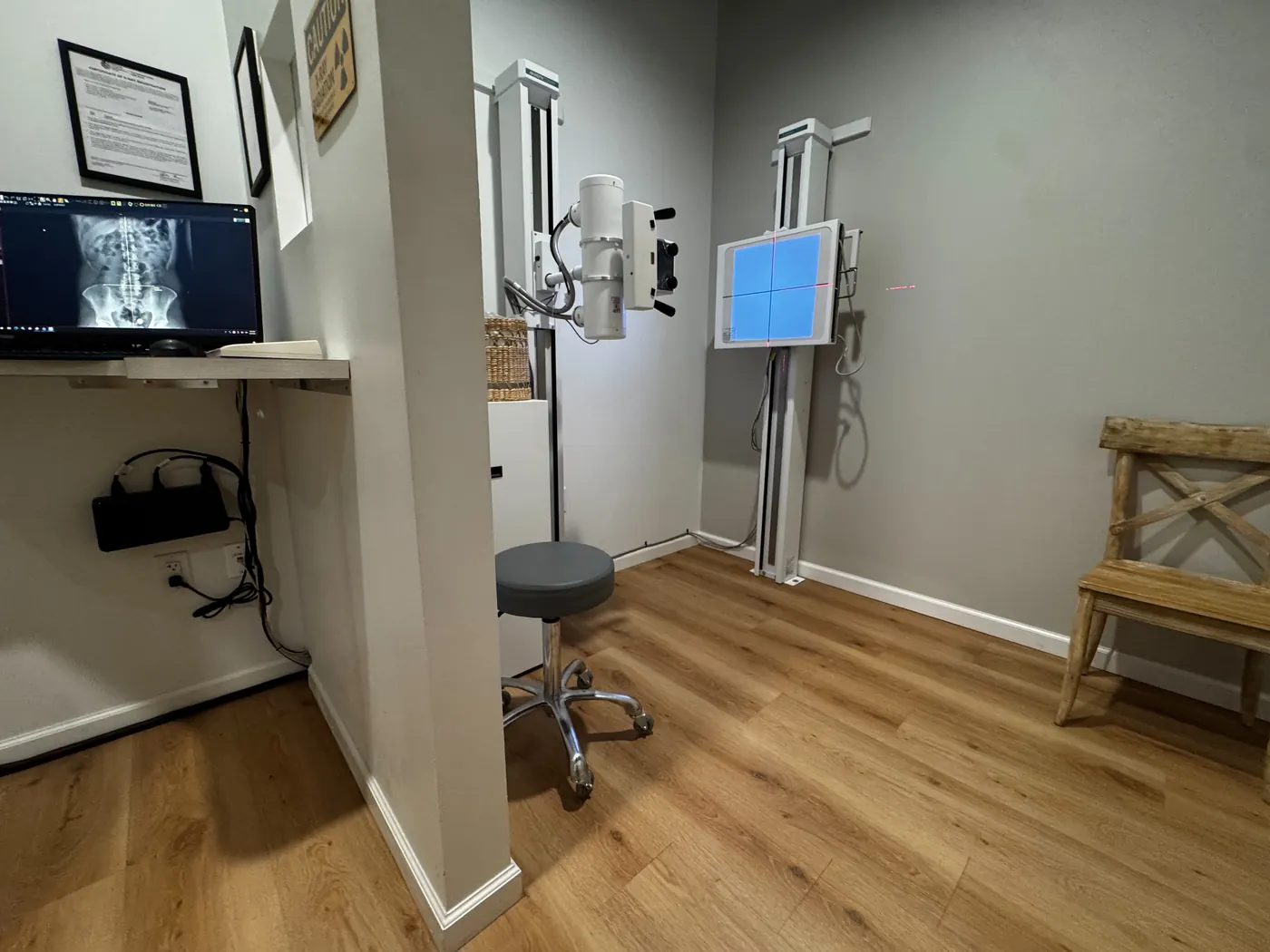
 In-House X-rays
 MedPay, PIP & LOP Options
 Conservative, Movement-Focused Care
 Same-Week Evaluations
Quick answers after an Austin crash
Common Whiplash Questions Before You Book
Should I get checked if I feel okay?
Often, yes. Adrenaline can hide stiffness or pain at first, and symptoms may become clearer over the next few hours or days.
Can symptoms appear days later?
Yes. Delayed headaches, neck pain, dizziness, tightness, tingling, or reduced motion are common reasons patients schedule an exam.
What does an evaluation include?
History, symptom review, movement and orthopedic testing, neurological screening when appropriate, and next-step recommendations.
Will I need X-rays?
Not everyone does. Digital X-rays may be recommended based on accident history, exam findings, and clinical appropriateness.
Does booking mean treatment?
No. The exam helps you understand findings and options before deciding whether care makes sense.
Do you review MedPay, PIP, or LOPs?
Yes. Available MedPay, PIP, attorney-supported cases, and qualifying LOP options can be reviewed during intake.

Helping Patients Across Austin Recover After Auto Accidents
Patients visit 100% Chiropractic Austin Rosedale from Central Austin, Rosedale, Hyde Park, Allandale, North Austin, The Domain area and surrounding Travis County.
Whether your accident happened on Mopac, I-35, Burnet Road, or anywhere in Austin, we are here to help you understand what is happening and what to do next.

You May Feel Fine Right Now - But That Does Not Always Mean You’re Okay
After an accident, adrenaline can mask pain. Some whiplash symptoms begin immediately, while others may take 12-24 hours or even a few days to show up.
 Neck stiffness
 Headaches
 Shoulder pain
 Low back pain
 Tingling or numbness
 Jaw painDizziness
 Trouble sleeping
Symptoms can show up later
If something feels off after a crash, do not guess.
A priority exam can help clarify whether whiplash, soft tissue irritation, joint restriction, or another post-accident pattern may be involved.
What to expect after a car accident
Whiplash Recovery Often Happens in Stages
Healing is not always immediate. Some symptoms appear right away, while others show up hours or days later. This timeline is a general guide to help you understand what your body may be going through and why early evaluation can matter.
1
0–24 Hours
Immediately After the Accident

- Adrenaline may mask pain
- You may feel “mostly fine”
- Stiffness or tension can begin subtly
This is the window where symptoms can be easy to dismiss.
2
1–7 Days
The First Few Days

- Neck stiffness may increase
- Headaches may develop
- Soreness can spread into the shoulders or upper back
Delayed symptoms are common as inflammation and muscle guarding increase.
3
1–2 Weeks
Early Recovery

- Pain patterns become clearer
- Range of motion may feel limited
- Daily tasks, sleep, or work may feel harder
A proper evaluation can help identify what tissues and movement patterns are involved.
4
2–6 Weeks
Restoring Movement

- Mobility can begin to improve
- Muscle guarding may decrease
- Strength and stability work may begin
Care often shifts from calming symptoms to restoring better movement and function.
5
6+ Weeks
Long-Term Recovery & Prevention

- Full function is the goal
- Posture and movement patterns matter
- Better movement and follow-through may help reduce repeat irritation or future flare-up risk
The goal is to help you understand what may be happening and support a safer return to daily life.
This timeline is a general guide. Your recovery may vary based on the severity of the accident, your health history, and your exam findings.
Not sure where you are in the recovery process?
A priority exam can help you understand what may be happening and what options make sense for your situation.
The First 3 Steps After a Possible Whiplash Injury
-
 Document What HappenedTake photos, write down details, note symptoms, exchange insurance information, and keep records.
 -
 Get EvaluatedA proper exam helps identify injuries you might not feel yet. X-rays are used when clinically appropriate.
 -
Start the Right Conservative CareGuidelines emphasize movement, appropriate care, and active recovery.
Dr. Nicolas Kellerman explains why whiplash symptoms may be delayed and what to do after an accident.
Whiplash Is Not Just “Neck Pain.”
It Can Involve Movement, Muscle, Joint & Nerve Stress
A collision can rapidly force the neck and spine through motion they weren’t prepared for. That can irritate joints, strain muscles and ligaments, tighten fascia, inflame soft tissue, and change how your body moves afterward.
When accident-related neck symptoms are ignored, some patients continue to experience stiffness, headaches, guarding, reduced motion, or recurring flare-ups. A focused evaluation can help clarify what may be involved and what care options may make sense.
The goal is to support better movement, reduce irritation where appropriate, and help you understand the next right step.
We Match The Plan To What Your Exam Shows
We do not force every patient into one treatment. We evaluate what changed after the accident and match care recommendations to your findings, symptoms, and clinical appropriateness.
1Calm Pain & Inflammation Early
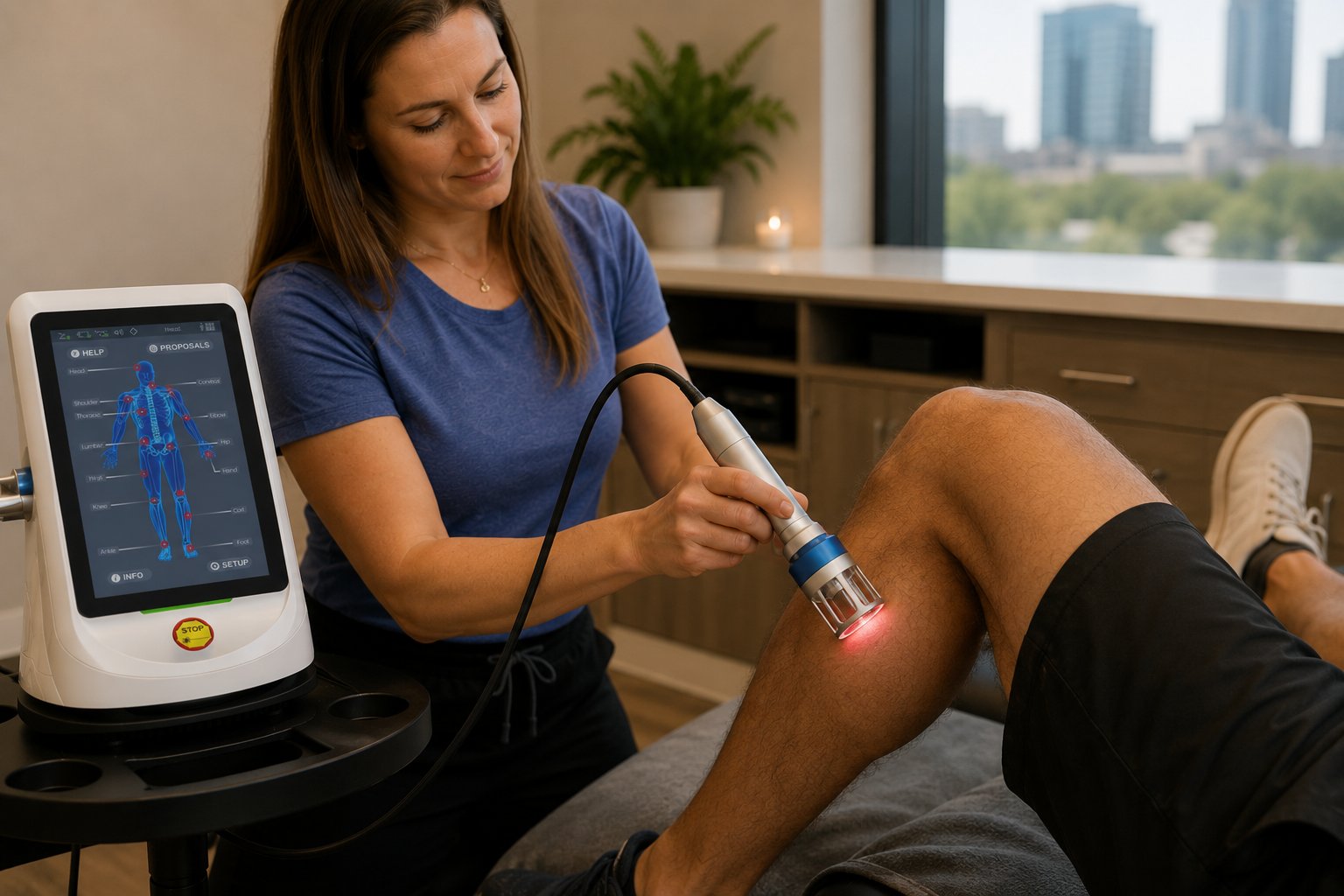
Soft tissues are often irritated and guarded after an accident. Early recommendations may focus on calming symptoms and improving comfort.
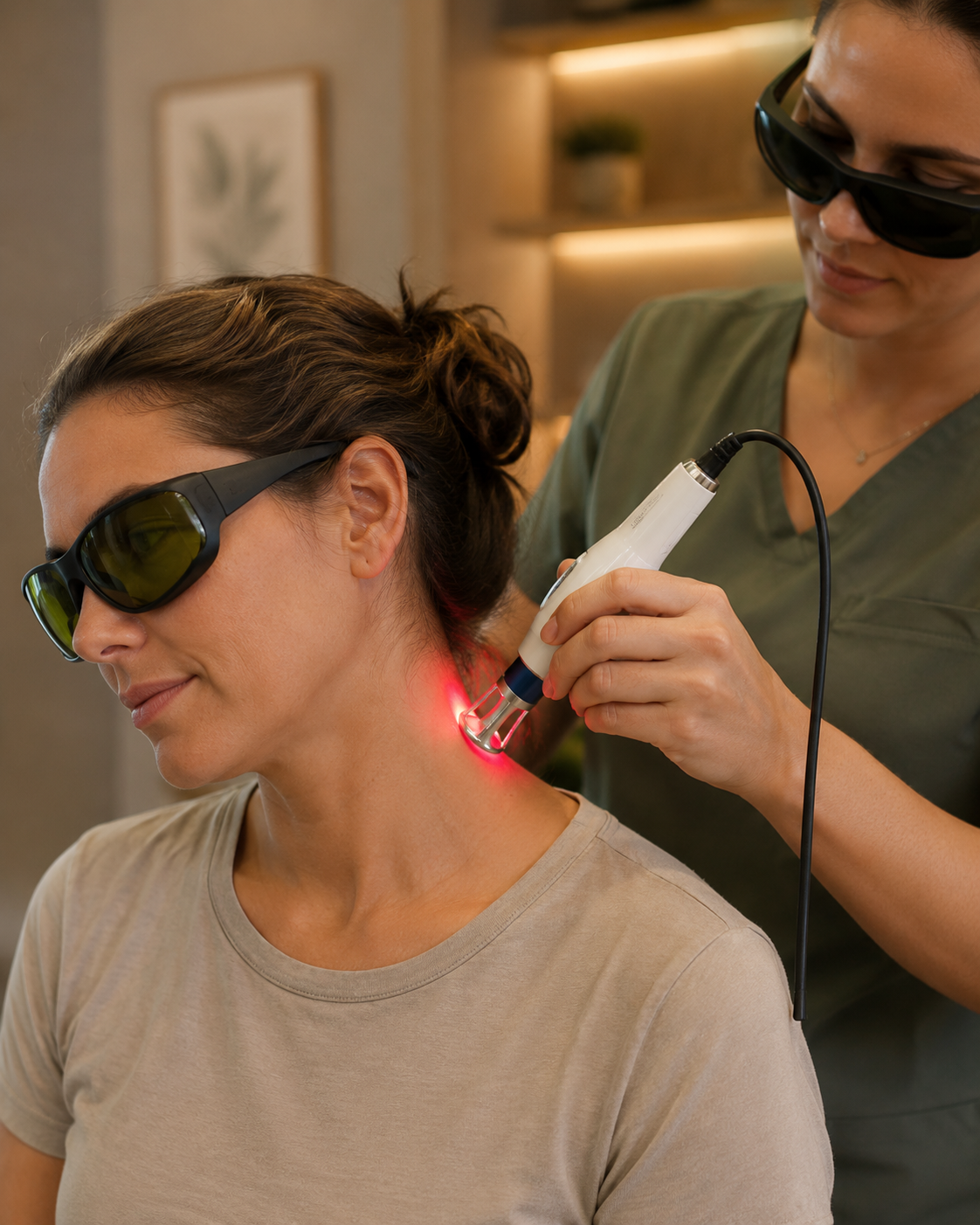
Class IV laser when appropriateTherapeutic massage when appropriateGentle movement
- Class IV laser therapy when appropriate
- Gentle movement guidance
- Soft tissue support, including therapeutic massage for personal injury patients when clinically appropriate

2Restore Movement & Function
Whiplash can change how your neck, shoulders, and spine move. Restoring healthy movement patterns is often important.
Chiropractic careFascia Stretch TherapyCorrective exercise
- Chiropractic care
- Fascia Stretch Therapy
- Corrective exercise
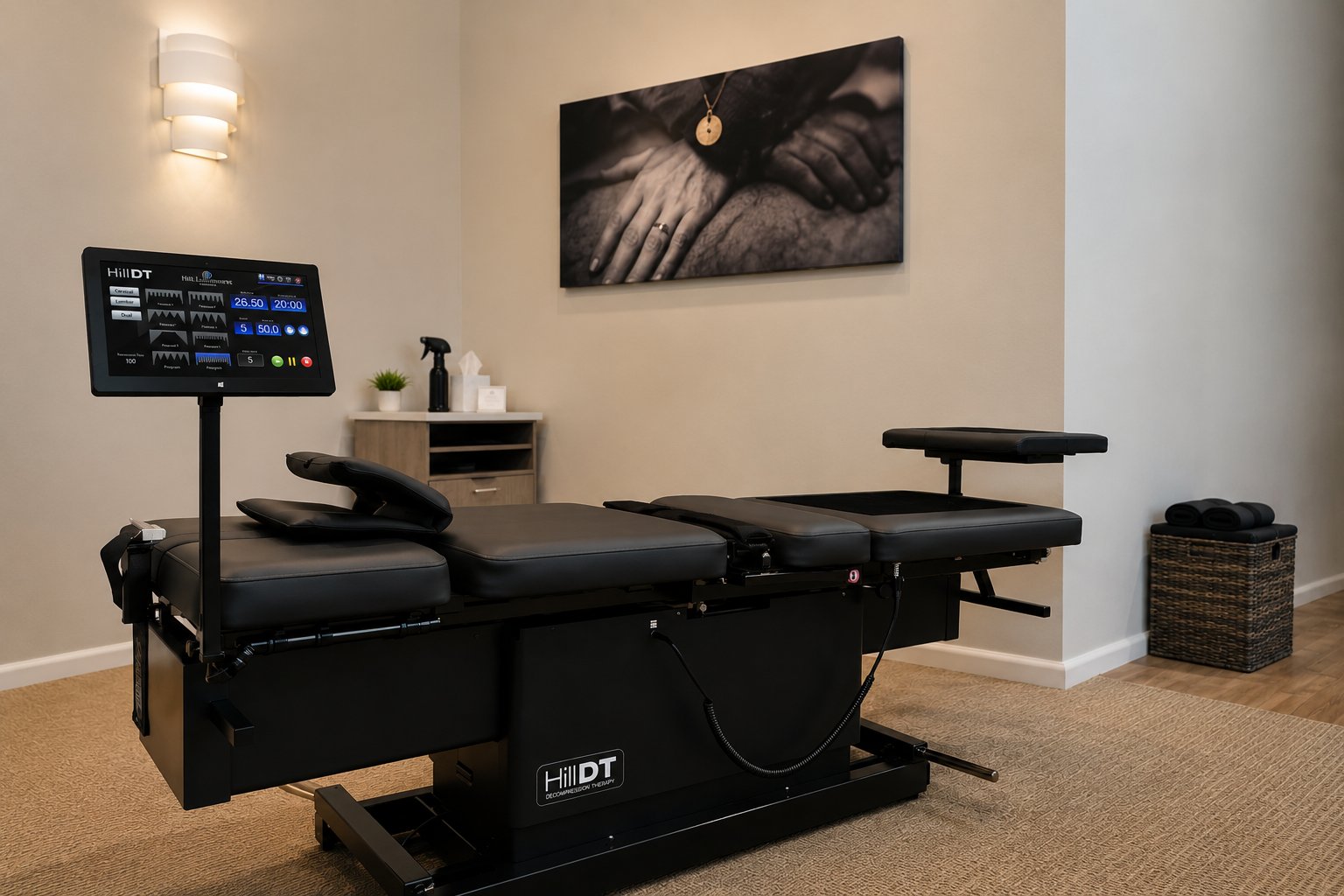
3Support Disc & Nerve-Related Symptoms
Some injuries may involve disc irritation, nerve symptoms, or spinal stress patterns that need closer evaluation.
HillDT when appropriateX-rays when indicatedNeuro/ortho exam
- HillDT decompression when clinically appropriate
- Digital X-rays when indicated
- Neurological/orthopedic evaluation

4Coordinate Your Recovery
When authorized, we can coordinate documentation and updates while keeping recommendations clinically appropriate.
Authorized attorney updatesProgress trackingDocumentation support
- Attorney communication when authorized
- Progress tracking
- Documentation support
Evaluation first
Find out which options make sense for your case.
Your exam findings guide the recommendation. Booking does not obligate you to begin care.

Over 20 Years Helping Injury Patients
Dr. Nicolas Kellerman has over 20 years of experience treating patients after auto accidents and personal injury cases in Austin.
- Whiplash & spinal injury experience
- Delayed symptom and conservative-care evaluation
- Familiar with MedPay, PIP & LOP cases
- Conservative care focused on recovery
Already Working With an Attorney?
We coordinate with attorneys when authorized, review qualifying LOP cases, and help provide documentation support when appropriate.
- Attorney communication when authorized
- Regular updates and documentation support
- Easy online booking for injured clients
- Prompt document review
- Reasonable reductions where appropriate
- In-house X-rays when clinically appropriate
- Qualifying LOP cases reviewed
- MedPay/PIP options coordinated when available
- Out-of-state LOPs reviewed for qualifying cases
Rated 4.9/5.0 on Google
Patients often value care that feels professional, attentive, and focused on clear next steps.
Read current Google reviewsVisit Our Central Austin Location
3800 N Lamar Blvd, Ste 160
Austin, TX 78756
(512) 638-8544
Mon-Thu: 8:00am - 12:00pm; 1:30pm - 5:30pm
Fri: 8:00am - 12:00pm
The clinic sits between Local Foods and Westlake Dermatology facing Lamar Blvd and in the same building as Kendra Scott's HQ. We validate parking in the clinic. For garage GPS, use 3809 Medical Pkwy.
Get Directions
Clinical review
Reviewed by Dr. Nicolas Kellerman, DC
Clinic Director, 100% Chiropractic Austin Rosedale
Dr. Kellerman reviews post-accident education for clarity, clinical accuracy, and fit with the clinic's evaluation-first approach.
Sources and review notes
This page uses clinically restrained patient education about delayed whiplash symptoms, conservative post-accident evaluation, X-rays when indicated, and emergency red flags. It does not replace emergency medical care or guidance from your attorney.
Frequently Asked Questions
Seek urgent medical care after an accident for severe or worsening pain, loss of consciousness, chest pain, shortness of breath, severe headache, confusion, dizziness, weakness, numbness, loss of bowel or bladder control, major trauma, or any symptoms that feel urgent or rapidly worsening. Chiropractic and rehab evaluation is not a substitute for emergency medical care.
Can you have whiplash after a minor accident?
Yes. Even low-speed car accidents can create enough force to irritate the neck, upper back, joints, muscles, and surrounding soft tissues.
Many people assume minor collisions cannot cause real injuries, but symptoms such as stiffness, headaches, neck pain, dizziness, and reduced mobility can still develop after relatively low-speed impacts, especially in rear-end collisions.
Should I get checked after an accident even if I feel fine?
Yes. It is often wise to get evaluated after a car accident, even if symptoms initially seem mild.
Many accident-related injuries do not become obvious immediately. It is common for stiffness, headaches, neck pain, dizziness, and mobility restrictions to develop gradually over the following hours or days.
An evaluation can help identify movement restrictions, soft tissue irritation, postural changes, and other issues that may worsen if left unaddressed. You can schedule a priority exam here.
Can whiplash symptoms start days later?
Yes. Delayed whiplash symptoms are common after car accidents.
Many people feel relatively normal immediately after a collision because adrenaline can temporarily mask pain and stiffness. Symptoms such as headaches, neck pain, dizziness, muscle tightness, tingling, and reduced range of motion may appear gradually over the next 24–72 hours.
If symptoms begin later, it is still important to get evaluated. Delayed symptoms can sometimes indicate underlying soft tissue irritation, joint dysfunction, inflammation, or movement restrictions that become more noticeable as the body settles after the accident.
What symptoms can whiplash cause?
Whiplash symptoms can vary widely depending on the severity of the accident and the structures involved.
Common symptoms may include:
- neck pain or stiffness
- headaches
- dizziness
- shoulder tension
- upper back discomfort
- reduced range of motion
- tingling or numbness
- jaw pain
- fatigue after the accident
- trouble sleeping
Some symptoms appear immediately, while others develop gradually over the following days.
How soon should I be evaluated after a car accident?
As soon as reasonably possible.
Some accident-related injuries and mobility restrictions become more noticeable over the following hours or days, even after relatively minor collisions. Early evaluation may help identify issues before compensation patterns, inflammation, or stiffness become more severe.
If you are unsure what to do next, you can book a priority exam.
Can I start treatment before my case settles?
Yes. Many patients begin personal injury treatment well before their case is resolved.
For qualifying cases, we accept Letters of Protection (LOPs), which may allow patients to begin care while insurance and legal matters continue to progress.
If you already have an attorney, our team can also coordinate directly with your law firm when appropriate. Attorneys can learn more on our attorney referral page.
Do you take X-rays for whiplash?
Yes. Digital X-rays may be recommended based on your accident history, symptoms, orthopedic testing, and exam findings.
X-rays can help evaluate structural alignment, rule out certain safety concerns, and identify changes that may contribute to pain, stiffness, or movement limitations after an accident.
Our clinic has in-house digital X-rays available for qualifying cases.
Does booking mean I need to start care?
No. We strongly believe patients should fully understand their condition and treatment options before making decisions about care.
A post-accident evaluation gives you the opportunity to discuss your symptoms, review findings, and better understand what options may make sense for your situation.

Get Checked. Understand Your Options. Take The Next Step.
If you think you may have whiplash after an Austin car accident, start with a priority post-accident exam and a clear plan for what to do next.
- Booking continues to the post-accident exam page
- MedPay, PIP, LOP and deposit details are reviewed there when available
- Scheduling does not obligate you to begin care
Same-day and next-day appointments are often available for patients with possible whiplash symptoms.



About This Clinic Listing
MendAndFlow is a healthcare-provider directory and patient-education platform owned and operated by Quake Brands LLC.
This clinic profile and its related educational and online-scheduling pages feature 100% Chiropractic Austin Rosedale.
Clinical services are provided by 100 Chiro Corona LLC d/b/a 100% Chiropractic Austin Rosedale, an independently owned and operated 100% Chiropractic franchise.
Appointment requests made through these pages are for the Austin Rosedale clinic. MendAndFlow does not provide clinical care and is not the corporate 100% Chiropractic website.
100% Chiropractic Austin Rosedale3800 N Lamar Blvd, Ste 160
Austin, TX 78756
(512) 638-8544
 Schedule a Priority Exam