
We Don't Like Guessing
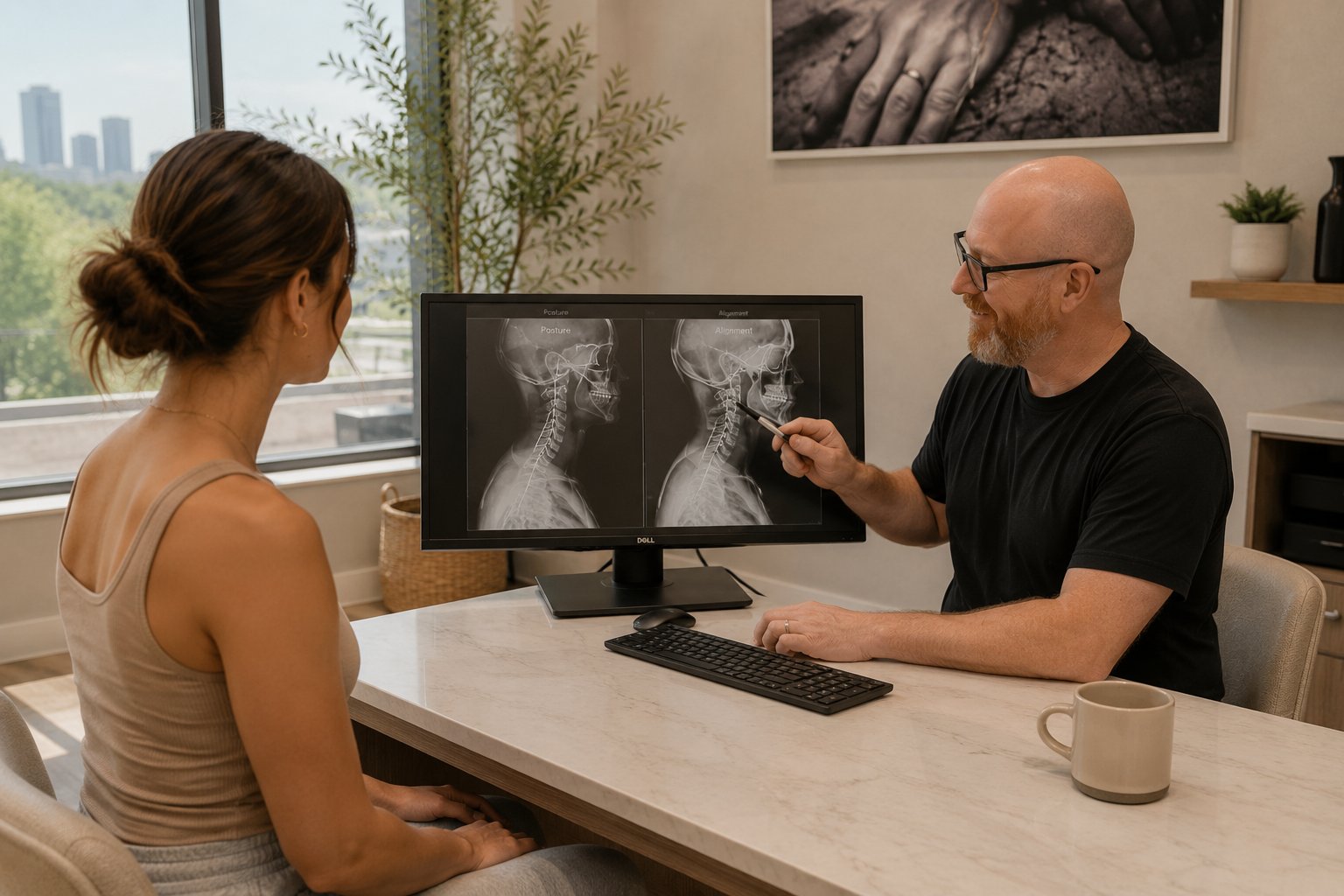
Digital X-rays, if clinically indicated help us understand what may be contributing to recurring stress.


 Schedule Your Low Back Pain Evaluation
Clinic information, patient education, and online scheduling for 100% Chiropractic Austin Rosedale on MendAndFlow.
100% Chiropractic Austin Rosedale 3800 N Lamar Blvd, Ste 160 Austin, TX 78756 (512) 638-8544Austin Chiropractor for Recurring Low Back Pain
Maybe it happened during a movement that should have been simple: bending forward, lifting something ordinary, sitting through a drive, doing chores, working out, or getting out of bed stiff again.
The flare-up got your attention. The recurring pattern is what we evaluate, including movement, posture, joint, soft tissue, loading, and neurological signs when clinically appropriate.
Austin Rosedale $49 First Experience for qualifying first-time patients. Reserve today with a $39 deposit applied toward the $49 total.
$49 First Experience for qualifying first-time patients.
Austin Rosedale $49 First Experience for qualifying first-time patients. Reserve today with a $39 deposit applied toward the $49 total.
The special typically includes an initial evaluation and a follow-up findings visit. See exactly what is included.
Recommendations are based on clinical findings and what is appropriate for your case.

Patient trust
You have probably been through this
This should not keep restarting the same low back pattern after normal movement.
If the pain calmed down and then came back after something ordinary, the next step is understanding what may be driving the pattern instead of repeating the same temporary relief loop.
Book an evaluation while the pattern is active, so we can better understand what is contributing to it.
For desk workers, active Austin adults, parents, runners, golfers, and lifters, the frustration is usually the same: the pain settles, then life brings it back.
Why Austin patients choose us
100% Chiropractic Austin Rosedale is built for patients who want clarity before committing to a care path.
Digital X-rays, if clinically indicated help us understand what may be contributing to recurring stress.
We look beyond today's symptoms and focus on why the same problem keeps returning.
Your findings determine whether adjustments, soft tissue therapy, stretch therapy, laser therapy, or decompression are relevant.
Your plan is built around your findings, your goals, and your body, not a generic protocol.
The missing piece
Symptoms can improve before the movement, loading, or tolerance patterns associated with a flare-up have fully changed. Our job is to understand which patterns may be contributing.
The problem may not be what you think
It can reflect overlapping mechanical, movement, loading, structural, or soft-tissue factors that have not been evaluated together.
A broader low-back pattern
Many factors may contribute to recurring low back pain, including:
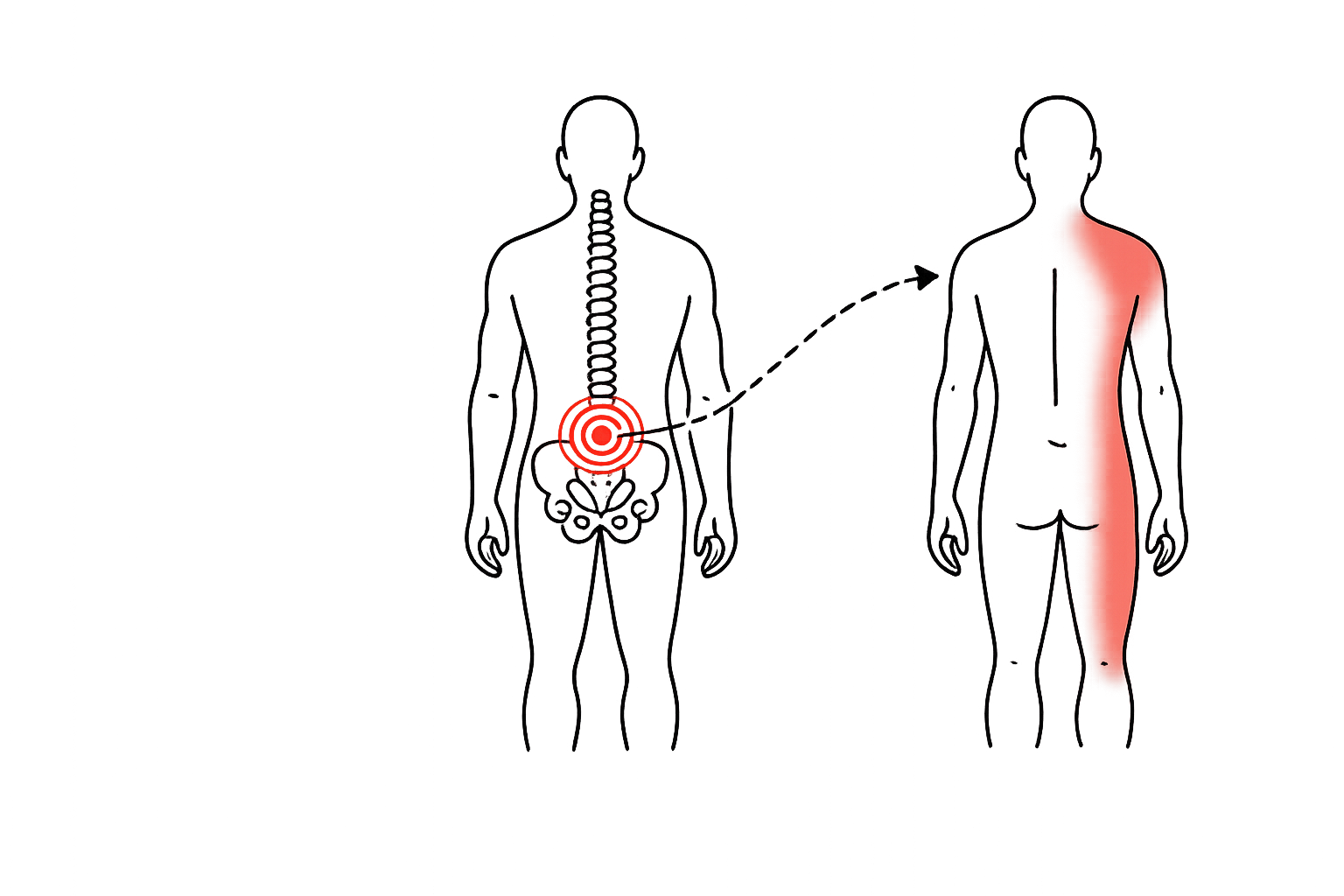
Predictable flare-up cycle
The recent flare-up may have been ordinary. The pattern is worth evaluating when normal life keeps bringing it back.
Five common reasons
The goal is not to blame one muscle or one movement. It is to understand what may be keeping the area irritated.
Sitting, driving, lifting, workouts, and long work blocks can repeatedly load the same tissues.
Symptoms may calm down before normal motion, strength, or tissue tolerance has returned.
When the hips, pelvis, or spine move differently, the low back may keep taking extra stress.
Muscle guarding and fascia restrictions can change how the area moves and loads.
Without understanding what is contributing to the pain, care becomes temporary relief instead of a plan.
What to expect at your first visit
The evaluation is designed to connect the recent flare-up with the recurring low-back pattern. You leave with a better understanding of what may be contributing to your recurring back pain and what the next step should be.
The special typically includes an initial evaluation and a follow-up findings visit.
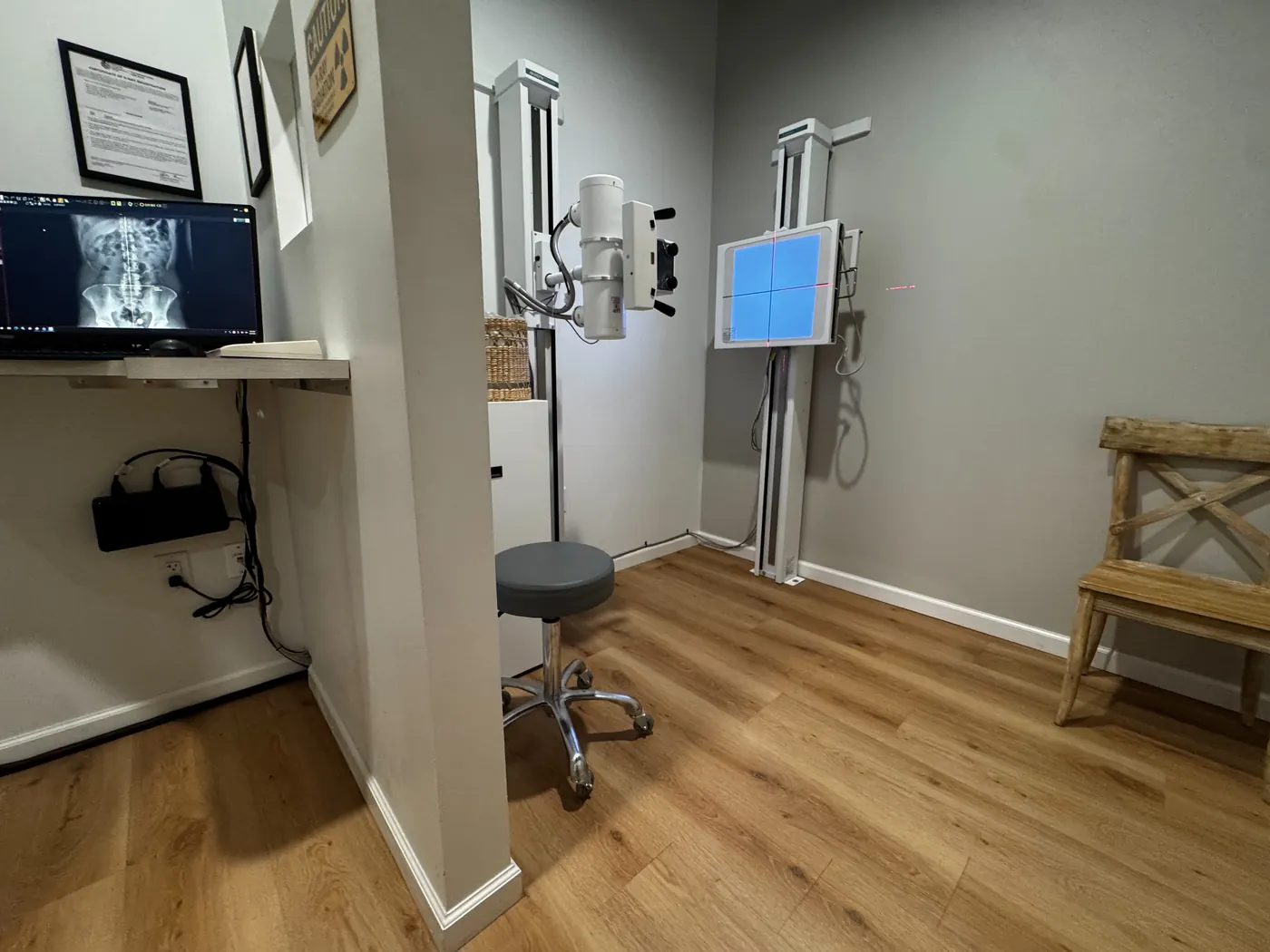
We listen to your history, flare-up pattern, goals, and what has already helped temporarily.
We evaluate low back, hip, pelvis, posture, orthopedic findings, and relevant movement patterns.
Imaging is considered only when clinically appropriate for your history, exam findings, and planning needs.
Your first visit may include limited initial care or an adjustment when appropriate for your case.
Your exam and X-ray findings are reviewed when applicable so recommendations can be explained clearly.
One available supportive therapy option may be scheduled after the follow-up when clinically appropriate.
If this flare-up feels familiar, schedule an evaluation to understand what may be driving the pattern. Austin Rosedale $49 First Experience for qualifying first-time patients. Reserve today with a $39 deposit applied toward the $49 total. Recommendations are based on clinical findings and what is appropriate for your case.
From Dr. Nick Kellerman
One of the most frustrating things patients tell us is that they've spent years chasing symptoms without ever getting an explanation. Our goal is to evaluate which movement, loading, posture, or soft-tissue factors may be relevant and help you understand what next step makes sense.
Read current Google reviews for patient feedback about the clinic experience and evaluation clarity.
Read current Google reviewsVideo summary: recurring low back symptoms can reflect movement, structure, and daily loading patterns. Evaluation findings guide the next step.
Dr. Kellerman explains that recurring low back flare-ups often deserve an evaluation of the spine, pelvis, hips, soft tissue, movement habits, and daily loading patterns before choosing a care path.
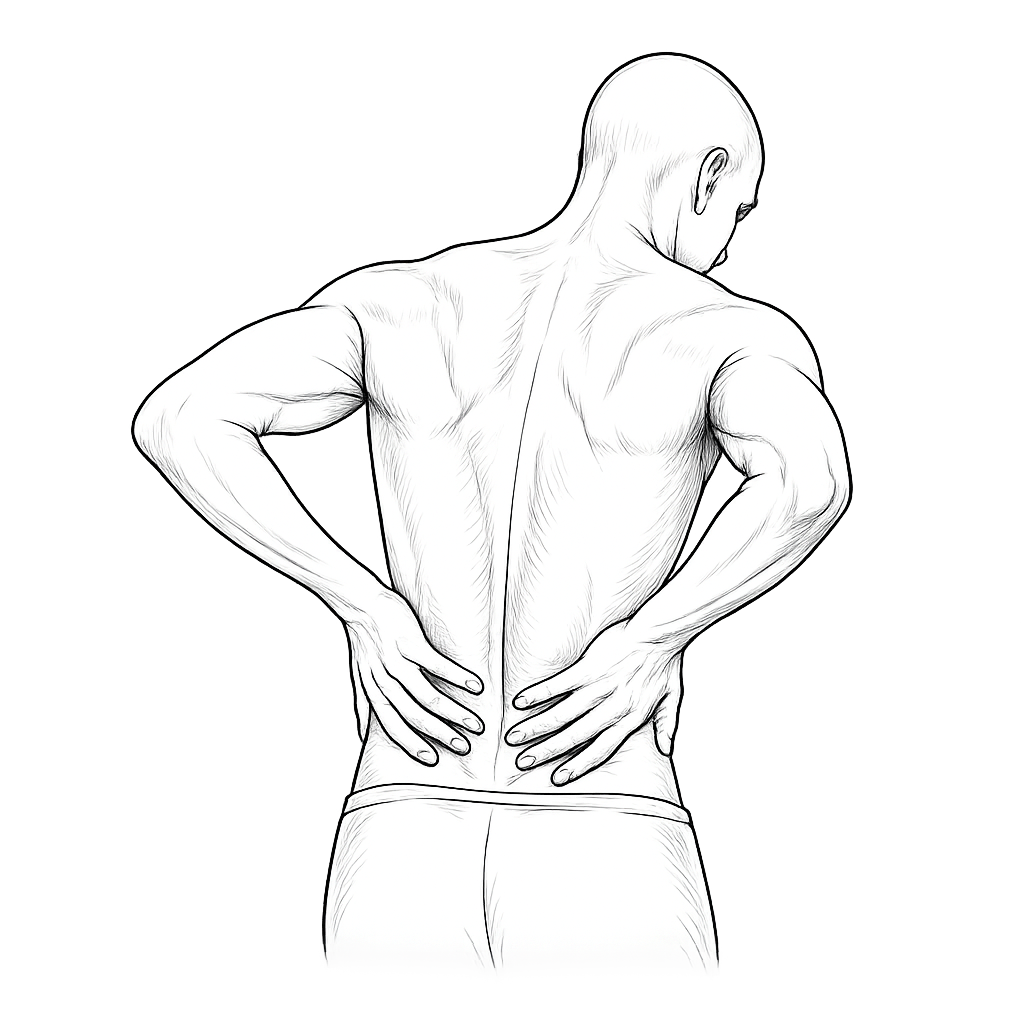
Could it be more than a muscle problem?
In some cases, the problem involves how the spine, pelvis, discs, joints, posture, and soft tissues are working together.
Imaging, when clinically appropriate
When clinically appropriate, digital X-rays may help us evaluate alignment, disc spacing, structural stress, or longer-term corrective planning.
Imaging is recommended only when your history, symptoms, and exam findings support it.
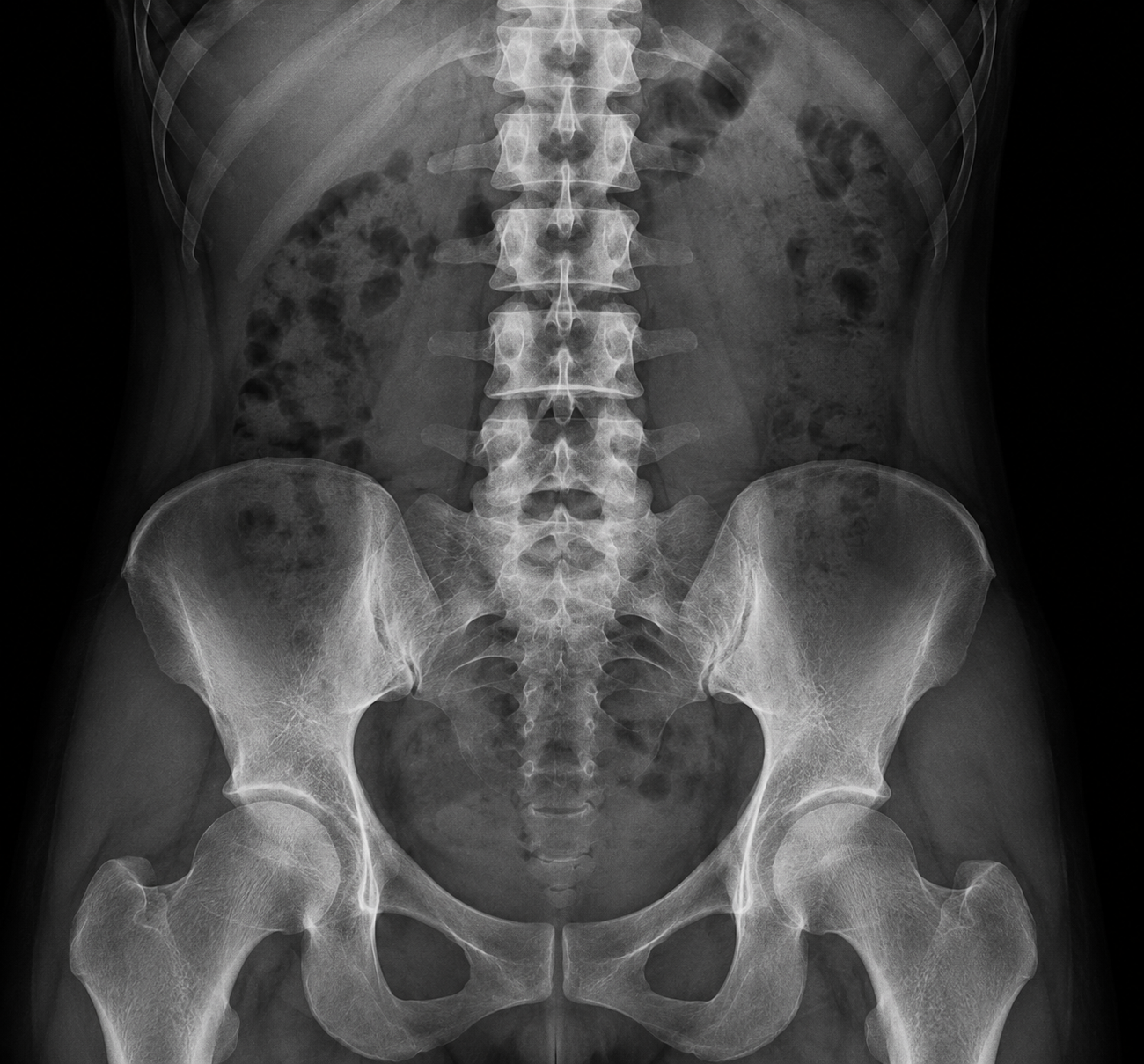
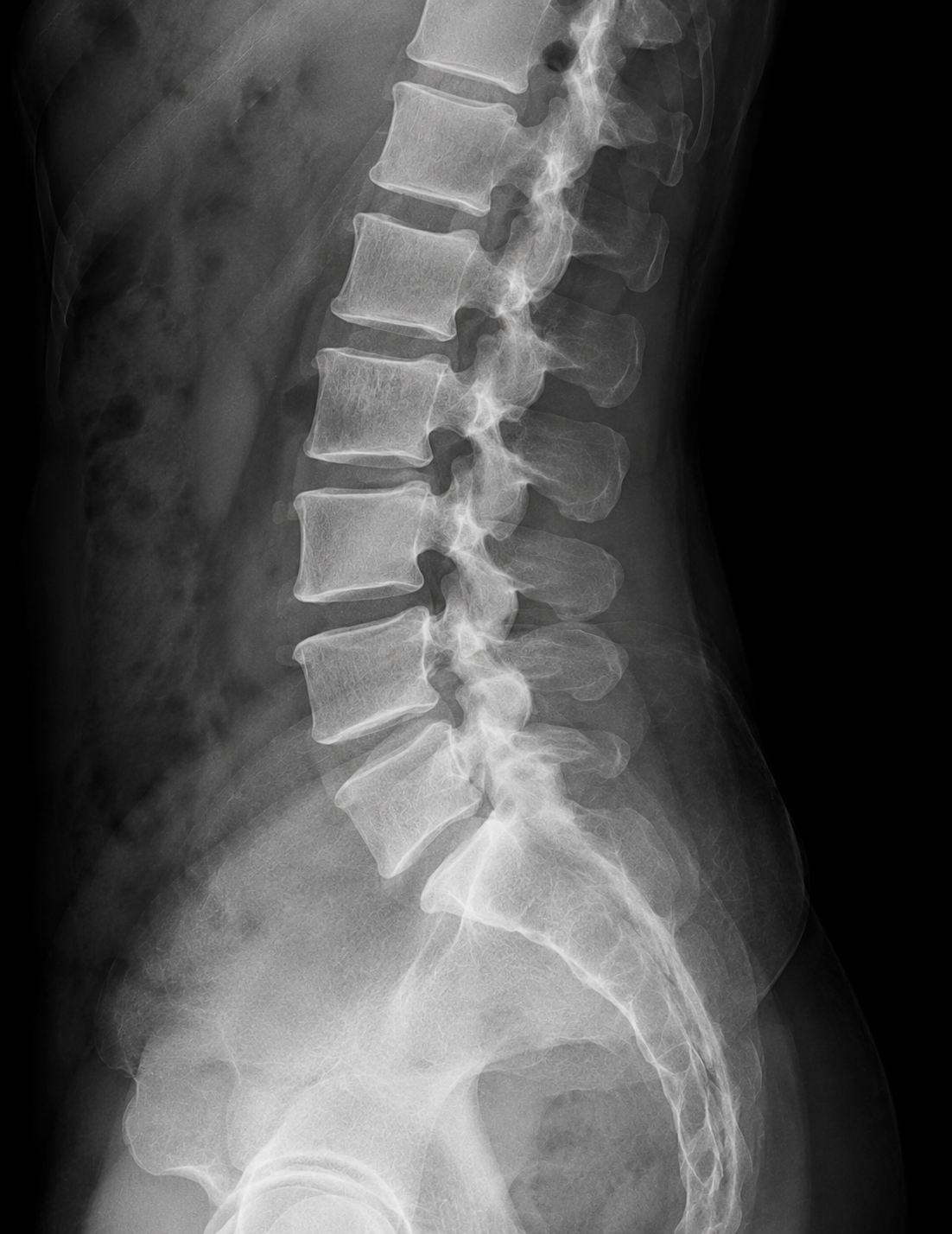
Not every patient needs X-rays. When they are indicated, they can add useful context to the evaluation.
Relief care vs. corrective care
Relief-focused care can help calm today's symptoms and reduce short-term discomfort.
Corrective care looks for what may be contributing to the recurring pattern before recommendations are made.
Symptom relief matters, but it is not enough on its own for many recurring patterns.
Our goal is to determine which, if any, movement, mechanical, loading, structural, or soft-tissue factors appear relevant in your case. Recommendations depend on your findings, goals, and what is clinically appropriate.
Based on your findings
Recommendations depend on your history, exam findings, goals, and what is clinically appropriate. The point is not a generic plan. It is matching the next step to what your evaluation shows.
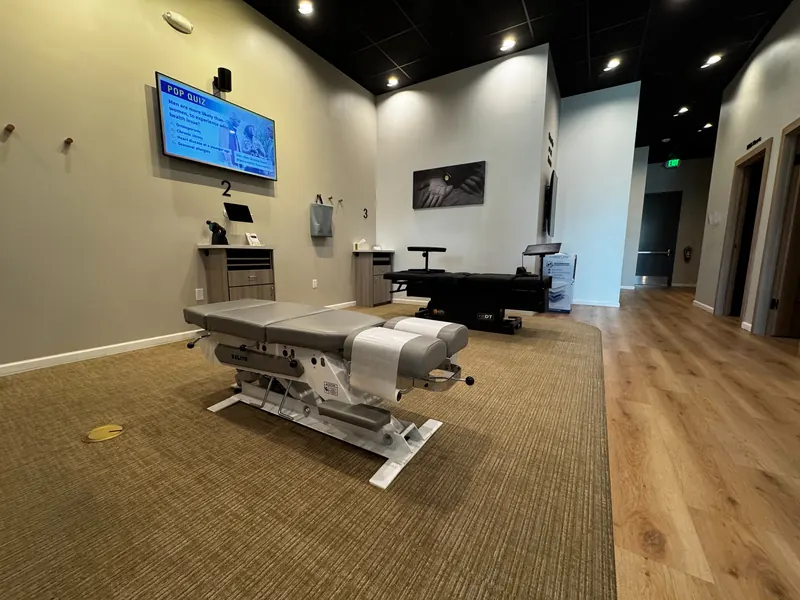
For spinal motion and joint function when indicated.
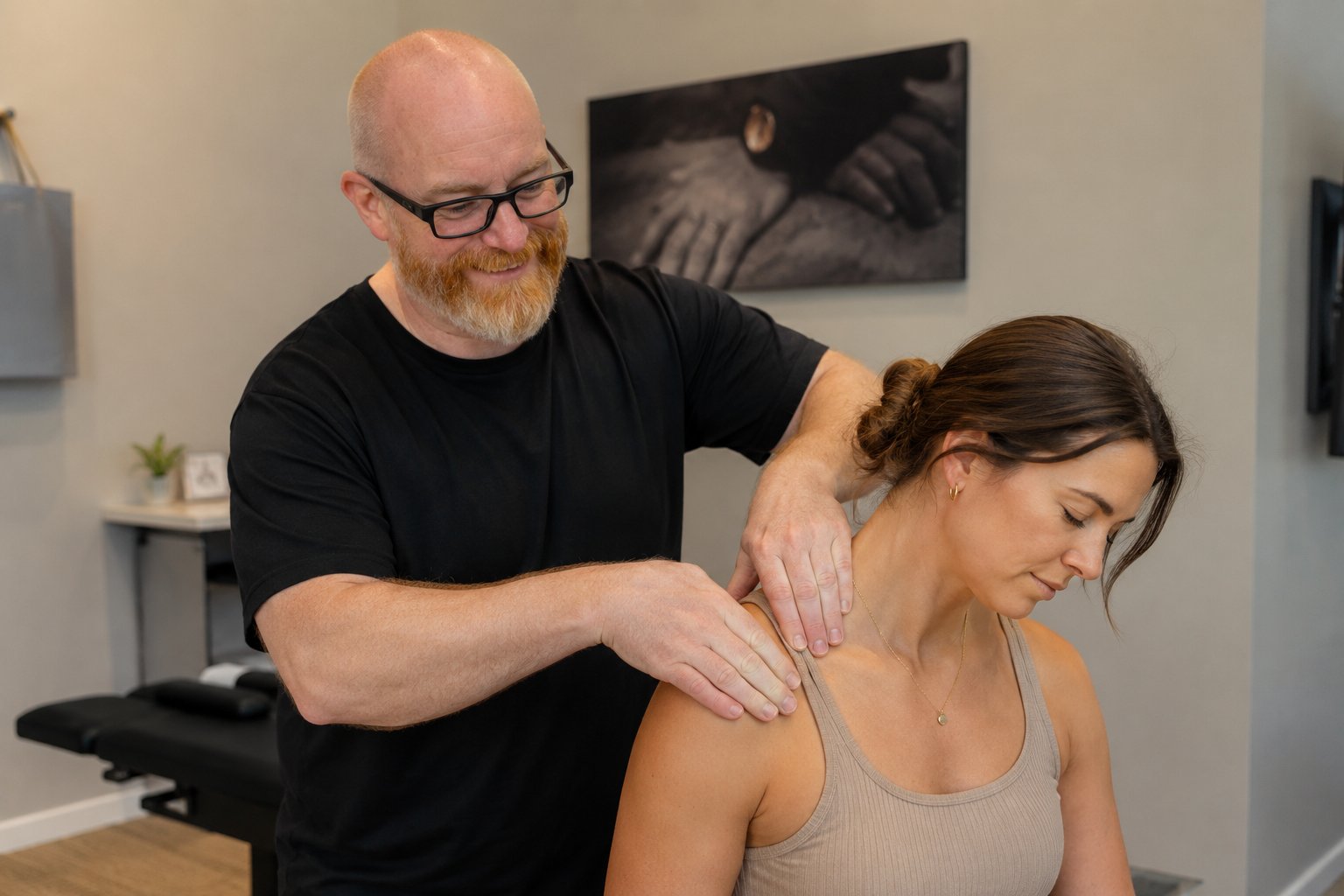
For soft tissue restriction and guarded movement patterns.
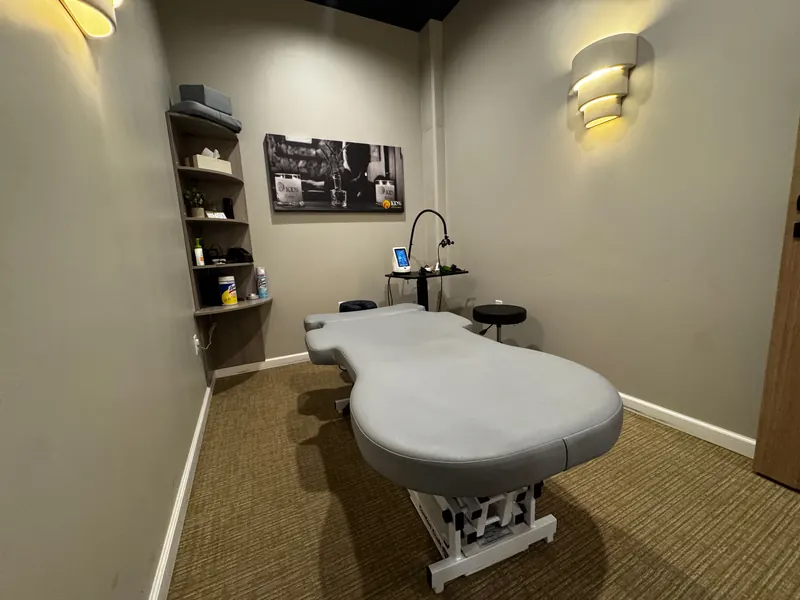
For mobility, flexibility, and movement quality support.
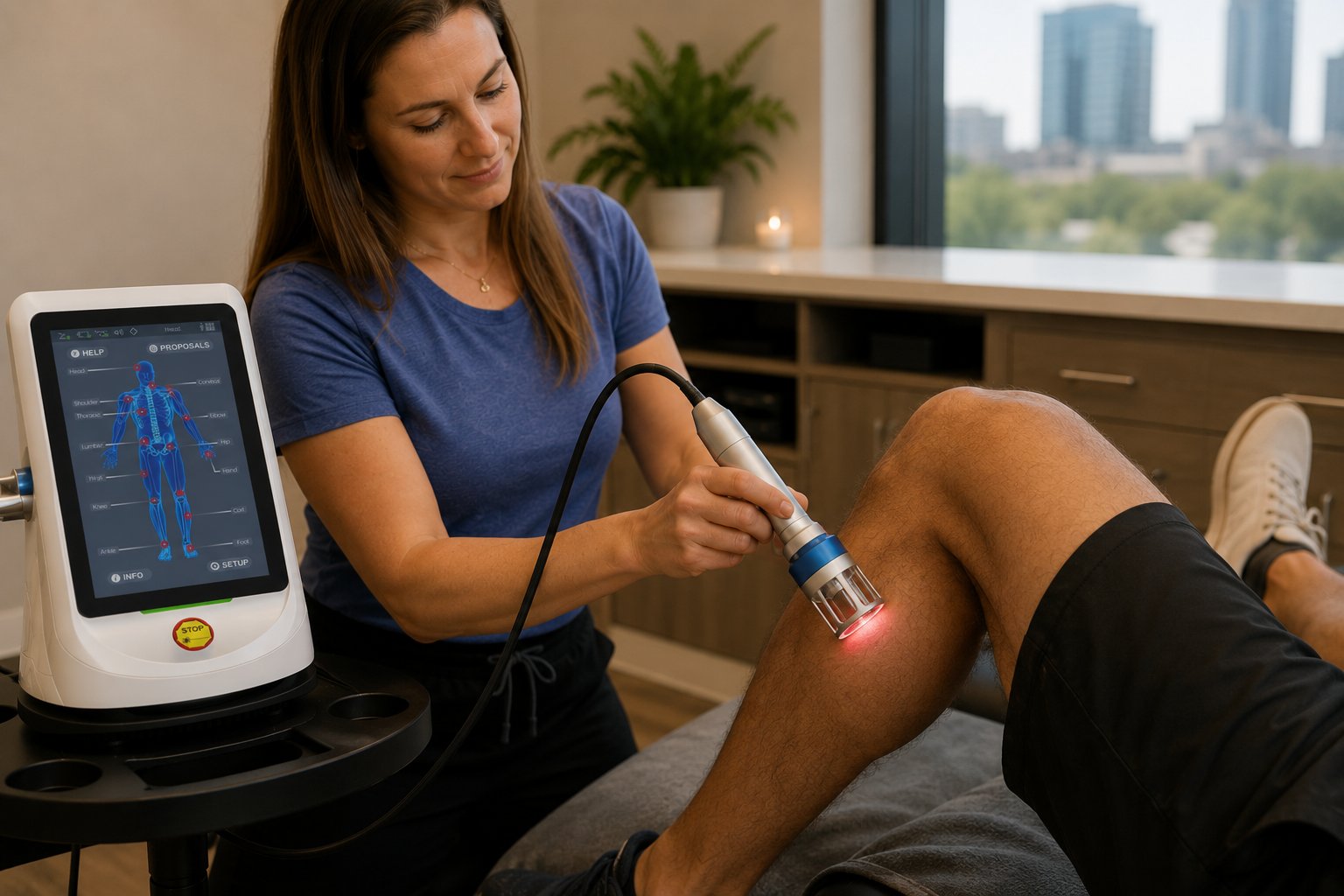
For tissue recovery and inflammation support when appropriate.
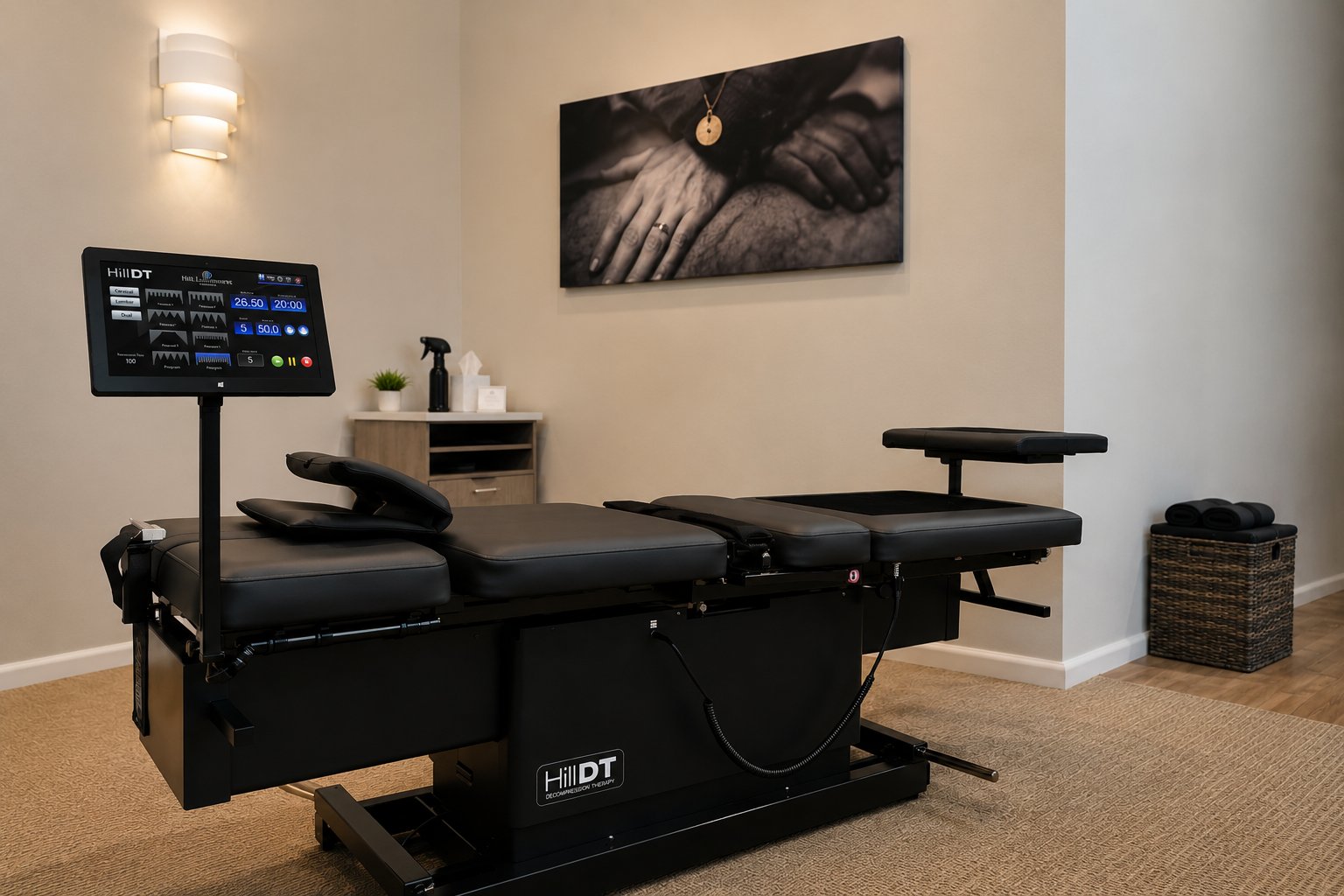
For select disc-related or sciatica-like patterns.
Trust and scope
Medical safety
The Austin Rosedale $49 First Experience is a two-visit new-patient experience. Visit 1 may include consultation, posture analysis, examination, digital X-rays if clinically indicated, and initial chiropractic care when clinically appropriate. Visit 2 includes report of findings, review of examination and imaging findings when applicable, personalized care recommendations, and time for questions.
You pay a $39 deposit today to reserve the appointment. The deposit is applied toward the Austin Rosedale $49 First Experience, leaving a $10 remaining balance at the visit.
Yes. The special typically includes an initial evaluation and a follow-up findings visit so your findings, any clinically appropriate X-rays, and recommendations can be reviewed clearly.
Not automatically. Limited initial care or an adjustment may be provided at the first visit when appropriate for your case, but recommendations are based on clinical findings and what is clinically appropriate.
Low back pain may keep returning when the same mechanical stress, joint restriction, disc irritation, soft tissue guarding, posture load, lifting habit, or compensation pattern keeps recreating irritation.
Sitting can repeatedly load the low back, hips, pelvis, and discs while limiting normal movement. If those areas are already irritated, long desk blocks or driving can make symptoms return.
Stretching can change how symptoms feel for a short time, but it may not address joint mechanics, disc stress, posture load, pelvic imbalance, or daily movement patterns that keep recreating the problem.
Chiropractic care may help some patients with chronic or recurring low back pain, depending on the cause. A focused evaluation helps determine whether chiropractic adjustments, corrective care, soft tissue care, decompression, or referral may be appropriate.
Not every patient needs X-rays. When clinically appropriate, digital X-rays may help evaluate alignment, disc spacing, structural changes, and stress patterns that could affect recommendations.
Spinal decompression may be considered for select disc-related or decompression-appropriate findings. It is not appropriate for every patient and should be recommended only after an evaluation.
Recurring back pain is common, but it should not automatically be dismissed as aging. An evaluation can help clarify whether mechanics, mobility, tissue loading, disc stress, or other factors may be contributing.
Lifting can reveal an existing low back, hip, pelvis, disc, or soft tissue pattern. If the same area hurts after similar lifts, the issue may involve how the body is loading rather than one isolated movement.
Timelines vary based on the cause, how long symptoms have been present, exam findings, goals, and response to care. The first step is understanding what may be contributing before making recommendations.
Seek urgent care for major trauma, fever, unexplained severe worsening pain, sudden weakness, loss of bowel or bladder control, saddle numbness, or symptoms that feel medically urgent.

Clinical review
Clinic Director, 100% Chiropractic Austin Rosedale
Dr. Kellerman reviews recurring pain education for clarity, clinical accuracy, and fit with the clinic's evaluation-first approach.
If your low back flared up again from bending, lifting, sitting, driving, chores, workouts, or another normal movement, the next step may be understanding why the pattern keeps returning.
Book while the pattern is active so the evaluation can consider how it is behaving now.
100% Chiropractic Austin Rosedale
3800 N Lamar Blvd, Ste 160
Austin, TX 78756
(512) 638-8544
Appointment requests made through this page are for 100% Chiropractic Austin Rosedale.
Official 100% Chiropractic Location Page · About This Clinic Listing · Privacy Policy · Terms of Use · Contact
100% Chiropractic Austin Rosedale
3800 N Lamar Blvd, Ste 160
Austin, TX 78756
(512) 638-8544
Mon-Thu: 8:00am - 12:00pm; 1:30pm - 5:30pm; Fri: 8:00am - 12:00pm
The clinic sits between Local Foods and Westlake Dermatology facing Lamar Blvd and in the same building as Kendra Scott's HQ. We validate parking in the clinic. For garage GPS, use 3809 Medical Pkwy.
Get DirectionsRated 4.9/5.0 on Google
Read current Google reviews for patient comments about the clinic experience, evaluation process, and care recommendations.
Read current Google reviewsMendAndFlow is a healthcare-provider directory and patient-education platform owned and operated by Quake Brands LLC.
This clinic profile and its related educational and online-scheduling pages feature 100% Chiropractic Austin Rosedale.
Clinical services are provided by 100 Chiro Corona LLC d/b/a 100% Chiropractic Austin Rosedale, an independently owned and operated 100% Chiropractic franchise.
Appointment requests made through these pages are for the Austin Rosedale clinic. MendAndFlow does not provide clinical care and is not the corporate 100% Chiropractic website.
100% Chiropractic Austin Rosedale

 Book Your Low Back Evaluation