MendAndFlow.org - Hang loose. Heal deep. 100% Chiropractic Austin Rosedale Book New Patient Evaluation

Corrective Chiropractic Care in Austin

Corrective Care. Real Change. Lasting Results.

For people tired of temporary fixes, recurring flare-ups, and feeling like their posture, spine, and mobility are slowly getting worse.

Whether the issue shows up as recurring neck tension, headaches, stiffness after desk work, posture fatigue, workouts, driving, or flare-ups that keep returning - our goal is to better understand the underlying pattern contributing to it.

Led by Dr. Nicolas Kellerman, with 20+ years of clinical experience helping Austin patients understand recurring spine, posture, and movement-related problems.

Our integrated approach evaluates the underlying structural, postural, and movement patterns that may be contributing to your pain so care can support better function over time.

Clear findings. Clear options. No pressure.

You Are Not Expected To Have Everything Figured Out.

Many patients come to us because they are frustrated by recurring headaches, neck tension, posture fatigue, or flare-ups that never seem fully resolved. The first step is simply understanding what may be contributing.

For patients looking for more than temporary symptom relief.

Central Austin • Rosedale • Hyde Park • Allandale • North Lamar

Start with an evaluation. No long-term plan is recommended unless the findings support it.

20+ Years Experience Corrective Care Focus HillDT Decompression Fascia Stretch Therapy In-House X-Rays Austin Clinic
Corrective chiropractic care consultation in a modern Austin clinic.
Forward Head PostureIncreased Load
Recurring Neck TensionMuscle Compensation
Structural StressSpinal Imbalance
Movement & AlignmentRestoration & Function

Quick answer

Corrective Chiropractic Care in Austin: What It Actually Means

Corrective chiropractic care is not just a quick visit for the area that hurts today. It is a structured way to evaluate how your spine, joints, muscles, posture, and daily movement patterns are working together.

For many Austin patients, recurring symptoms make more sense once posture stress, movement restrictions, muscle guarding, and workday habits are evaluated together.

Why corrective care

When relief fades, the pattern usually deserves a closer look.

Many people try stretching, massage, posture gadgets, ergonomic chairs, or occasional adjustments without ever understanding why the same tension rebuilds.

Corrective care focuses on the underlying movement and loading patterns that may keep recreating symptoms over time.

Recurring Neck Tension

Neck and shoulder tension often becomes a predictable daily pattern when posture, mobility, and muscle guarding are not addressed together.

Forward Posture

Screen-heavy work, phones, driving, and stress can gradually increase the load your neck and upper back carry.

Structural Stress

Repeated low-level stress can make joints, muscles, and connective tissue compensate in ways that keep symptoms returning.

Movement & Alignment

Better long-term comfort often depends on restoring motion, improving movement habits, and helping the body hold progress.

Comparison graphic showing temporary relief versus corrective care.

Corrective care vs temporary relief

Why Temporary Relief Often Isn't Enough

Many recurring spine and posture problems return because the underlying movement, loading, soft tissue, and structural patterns were never addressed.

Temporary Relief

  • Focuses mainly on symptoms
  • Helps short-term discomfort
  • Often skips posture/load analysis
  • Problem may return

Corrective Care

  • Looks for the recurring pattern
  • Evaluates posture, motion, guarding, and load
  • Integrates supportive therapies when appropriate
  • Tracks progress over time
"I finally understood why the same neck tension kept coming back."

How this affects daily life

How Structural Stress Often Shows Up In Real Life

Corrective care becomes easier to understand when the pattern is connected to ordinary moments: feeling stiff after sitting, waking up tight, feeling pulled forward, or noticing neck tension during workdays.

Neck tension after computer work

Screen time can keep the neck and shoulders under repeated low-level load.

Stiffness during driving or travel

Long commutes or flights can bring out low back tightness and posture fatigue.

Recurring headaches

Headaches that keep returning may be connected to neck tension, posture strain, or guarding.

Feeling "compressed" or posture fatigue

Some patients describe feeling shortened, compressed, or tired from holding themselves upright.

Tight shoulders and upper back

Upper-back tension often builds when the same work, stress, or movement pattern repeats.

Symptoms after workouts or stress

Recurrent flare-ups can show up when the body is already compensating before activity starts.

These patterns often build gradually over years before becoming impossible to ignore.

What patients are often feeling

What Corrective-Care Patients Often Tell Us

Most people do not describe their problem in clinical language. They describe the daily pattern: waking up stiff, feeling pulled forward, tight shoulders after work, or symptoms that keep returning after temporary relief.

"I feel tight all the time."
"My neck tension keeps returning."
"I feel pulled forward at my desk."
"Massage helps temporarily but it comes back."
"I wake up stiff."
"Travel and driving flare everything up."
"I feel compressed after work."
"I'm tired of temporary fixes."

After temporary care falls short

Why Many Patients Find Us After Months - Or Years - Of Temporary Relief

Many patients who come to our Austin clinic are not new to chiropractic, massage, stretching, or pain relief care. They are simply frustrated that the same tension, headaches, stiffness, posture strain, or flare-ups keep returning.

Desk-work posture strain

Screen-heavy days can keep loading the neck, upper back, and shoulders in the same pattern.

Recurring neck tension

Muscle tightness may keep returning when motion, posture, or compensation patterns are still active.

Chronic low back tightness

Low back stiffness can reflect repeated loading, hip restriction, guarded movement, or spinal mechanics.

Old accident compensation patterns

Prior injuries may leave movement habits that continue influencing posture, tension, or flare-ups.

Our goal is not simply to help you feel better temporarily. It is to better understand why the problem keeps recurring.

Austin patient with neck tension during a long workday before corrective care evaluation.

Why people wait too long

Why Many People Wait Too Long

Posture strain, movement restrictions, and recurring tension patterns often develop gradually over years. Many people adapt slowly until stiffness, headaches, mobility loss, or flare-ups begin affecting everyday life.

Long-standing patterns often become harder to change over time.

Dr. Nicolas Kellerman at 100% Chiropractic Austin Rosedale.

Meet Dr. Nicolas Kellerman

A corrective-care philosophy for recurring problems, not random treatment.

Dr. Nicolas Kellerman brings 20+ years of clinical experience, ART qualifications, and a straightforward, no-nonsense approach to evaluating recurring spine, posture, soft tissue, and movement-related problems.

Dr. Nicolas Kellerman has spent more than 20 years helping patients understand recurring spine, posture, movement, and soft tissue problems - especially cases where symptoms repeatedly return.

He is known for combining straightforward explanations with a more integrated corrective-care mindset.

Dr. Kellerman believes many patients have spent years bouncing between temporary relief strategies without ever fully understanding why the problem keeps returning. His approach focuses on listening carefully, explaining findings clearly, and building realistic plans based on the individual.

Dr. Kellerman believes many patients are not looking for more random treatment - they are looking for clearer answers, realistic guidance, and a better understanding of why the problem keeps recurring.

His approach combines corrective chiropractic care, soft tissue and movement restoration, HillDT spinal decompression, fascia stretch therapy, Class IV laser therapy, and in-house imaging when clinically appropriate.

Many patients don't need more random treatment. They need a clearer understanding of the patterns driving the problem.

Fit matters

Corrective Care Is Not For Everyone - And That's The Point.

This approach is best for patients who want to understand why symptoms keep returning and are open to a more complete evaluation of posture, movement, spinal mechanics, soft tissue tension, and daily habits.

Good fit

  • Recurring neck or back tension
  • Posture strain from desk work
  • Symptoms that return after temporary relief
  • Movement limitations or stiffness
  • Patients who want clarity before committing to care

Not the right fit

  • Only looking for a quick one-time adjustment
  • Not interested in posture or movement guidance
  • Wanting a guaranteed instant fix
  • Not willing to follow a plan if findings support one

A better first visit

What Makes A Corrective Care Evaluation Different?

A corrective care evaluation should feel valuable before treatment ever begins. We are looking for patterns, not just asking where it hurts today.

Posture analysis Movement assessment Soft tissue restriction patterns Compensation patterns Spinal loading considerations Imaging when clinically appropriate Lifestyle and desk-work patterns

Common patient types

Who Often Seeks Corrective Care?

Corrective-care patients are often active, busy Austin residents who want to understand why recurring flare-ups, posture fatigue, stiffness after travel, or discomfort during long workdays keeps showing up.

Desk professionals
Remote workers
Parents carrying children
Golfers & active adults
Drivers & commuters
Former athletes
Patients recovering from old injuries
People frustrated by recurring flare-ups

Corrective care evaluation

Corrective Care Evaluation: What To Expect At Your First Visit

Corrective care should not feel mysterious. The first visit is designed to help you understand what may be contributing and what next step makes sense.

We reassess progress over time rather than simply repeating the same visit indefinitely.

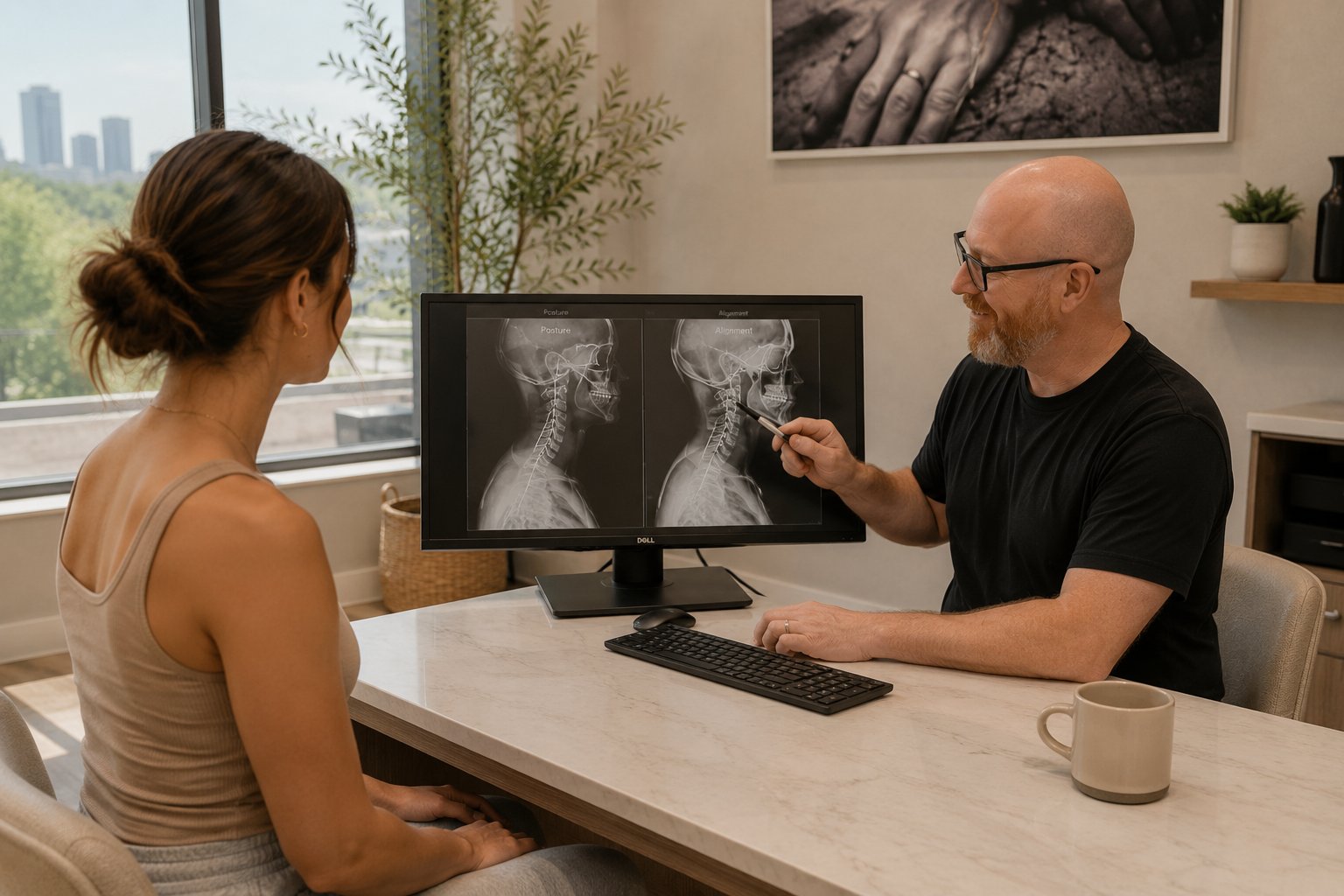
Corrective care consultation at 100% Chiropractic Austin Rosedale.1

Listen to the Pattern

We review when symptoms started, what makes them better or worse, and what keeps repeating.

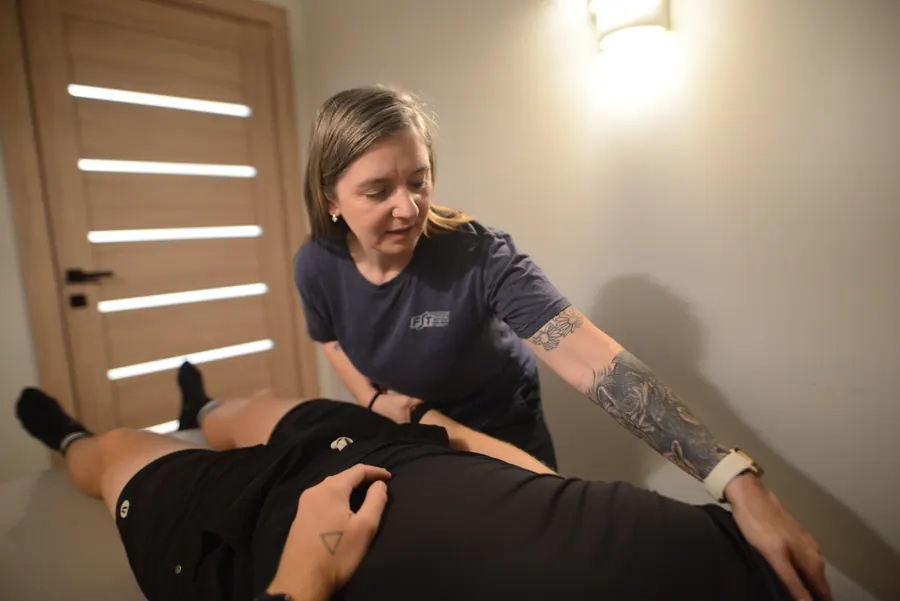
Movement and posture assessment during corrective chiropractic care in Austin.2

Evaluate Posture, Motion & Guarding

We assess posture, range of motion, muscle guarding, movement limits, and relevant orthopedic findings.

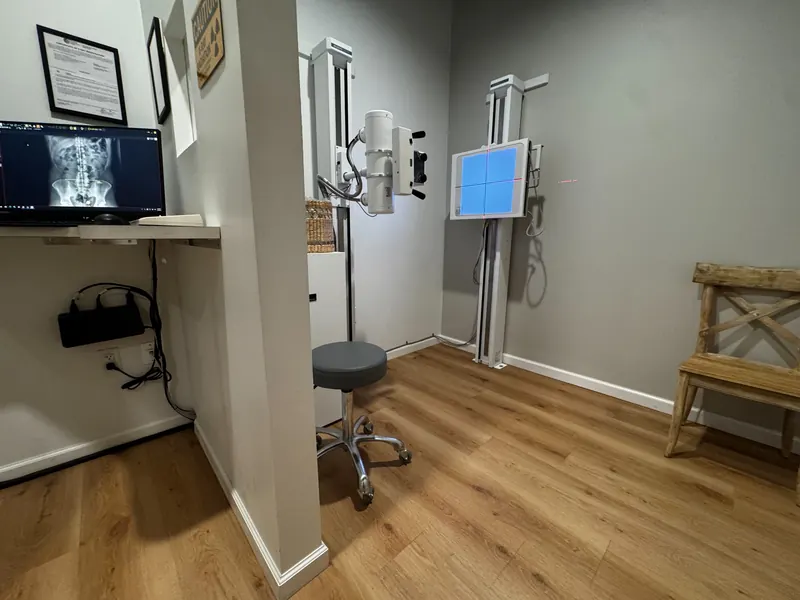
In-house X-ray review when clinically appropriate for corrective care.3

Imaging When Clinically Appropriate

In-house X-rays may be recommended when history, exam findings, or clinical presentation support it.

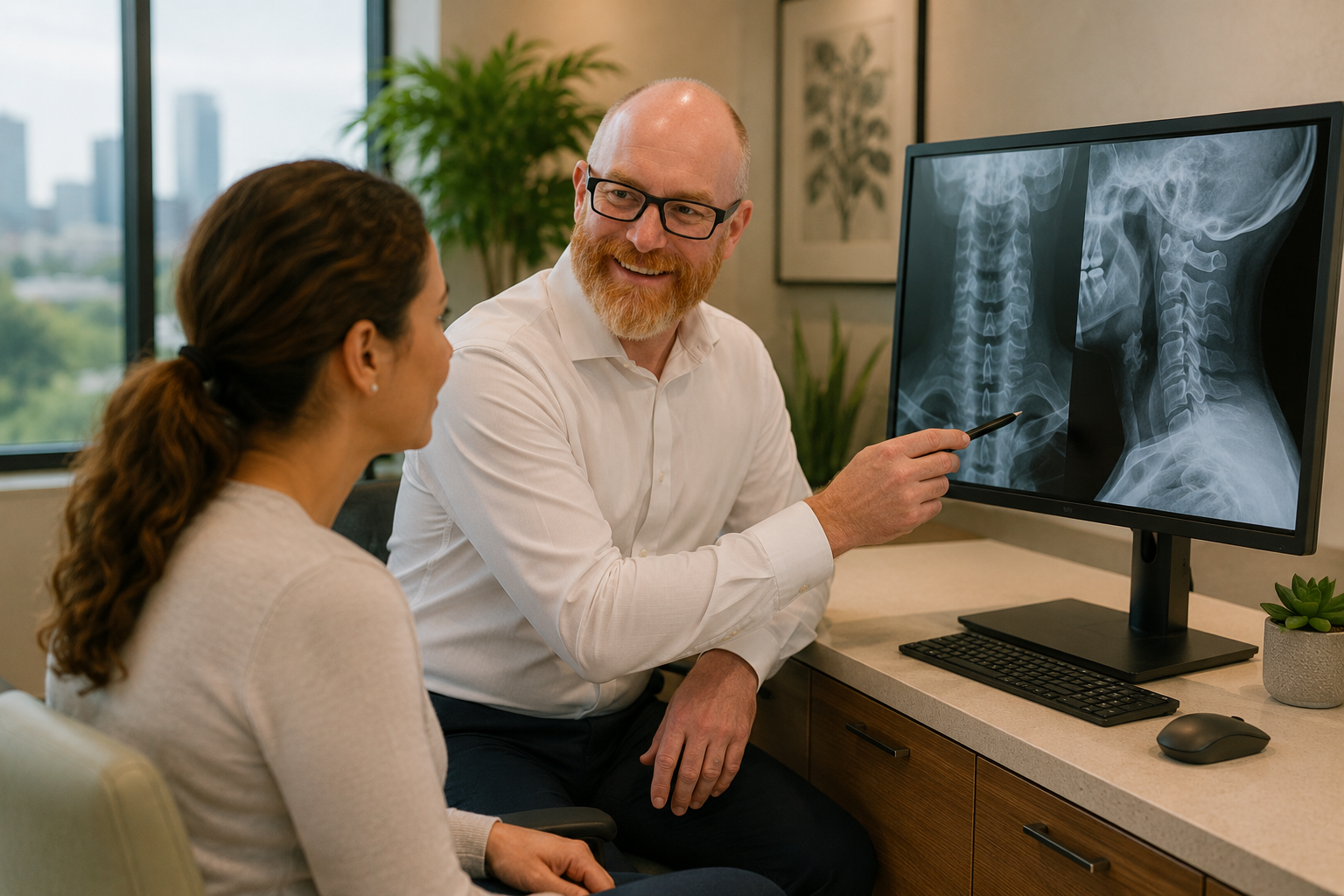
Dr. Nicolas Kellerman explaining findings and corrective care next steps.4

Explain Findings & Build the Plan

You leave with clear findings, care options, and next steps based on your evaluation.

"They actually explained what they were seeing instead of rushing me through."
Clear FindingsWe explain what we see and why it may matter.
Clear OptionsRecommendations are based on your goals and findings.
No PressureNo long-term plan is recommended unless it makes sense.
4.9-starGoogle rating
73+Google reviews
20+ yearsClinical experience
In-house X-raysWhen clinically appropriate
Integrated careTherapies under one roof

How we evaluate

A focused evaluation before a care plan.

Dr. Nicolas Kellerman, 100% Chiropractic Austin Rosedale Dr. Kellerman has over 20 years of clinical experience evaluating recurring neck tension, posture strain, headaches, and movement-related complaints for Austin patients.

Our goal is to help patients understand what may be keeping the pattern active and which options may help improve movement and comfort over time.

The evaluation may include posture review, range of motion, orthopedic testing, muscle guarding patterns, movement habits, and imaging when clinically appropriate.

Assessment

We review your history, symptoms, mobility, posture, tension patterns, and daily aggravating factors.

Chiropractic Care

Care may support joint mobility, spinal mechanics, and restricted movement patterns when appropriate.

Movement & Posture Guidance

We help connect clinic findings to work, workouts, driving, sleep, and screen-heavy routines.

Integrated Care

Supportive therapies can be added when your findings suggest they may help the larger care plan.

Austin patient noticing neck tension after long workdays at a desk.

Modern posture load

Desk work, phones, and long sitting can keep the same pattern alive.

Many Central Austin patients do not come in because of one dramatic event. They come in because a repeated pattern finally starts affecting focus, workouts, sleep, travel, carrying children, or comfort during long workdays.

Austin corrective care consultation and posture-focused evaluation.

Recurring stiffness

The body adapts around what it repeats.

Corrective care is designed to identify whether posture strain, stiffness after travel, mobility restriction, muscle guarding, or daily movement habits are contributing to symptoms that keep returning.

Integrated corrective care. Multiple therapies. One goal.

Multiple Therapies. One Goal: Lasting Change.

We combine proven therapies to address the cause, not just the symptoms. Every care plan depends on the exam findings, and supportive therapies are added only when they fit the larger corrective-care goal.

We use different tools for different problems. The goal is not more treatment - it is better understanding and more intentional care.

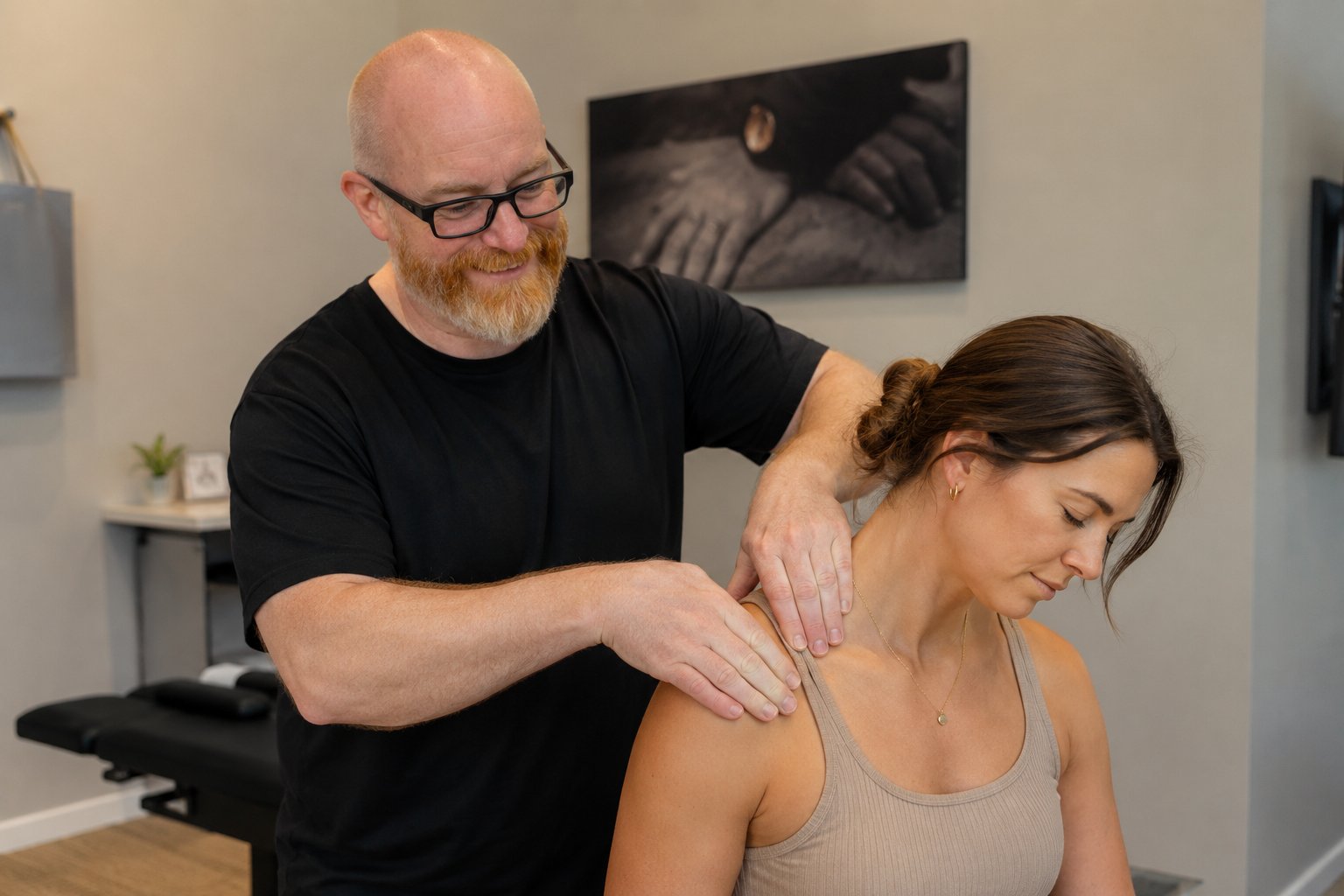
Chiropractic neck treatment for mobility restoration.

Corrective Chiropractic Care

Supports joint motion, spinal mechanics, and movement quality when restricted motion is part of the pattern.

Why it matters: used to improve movement, alignment, and spinal mechanics.

HillDT spinal decompression therapy in Austin corrective care clinic.

HillDT Spinal Decompression

May be considered for select disc-related or spinal loading patterns after evaluation.

Why it matters: may help reduce disc-related loading and irritation in some cases.

Fascia stretch therapy session.

Fascia Stretch Therapy

Helps address tight connective tissue, flexibility limits, and soft tissue compensation patterns.

Why it matters: supports mobility and movement quality.

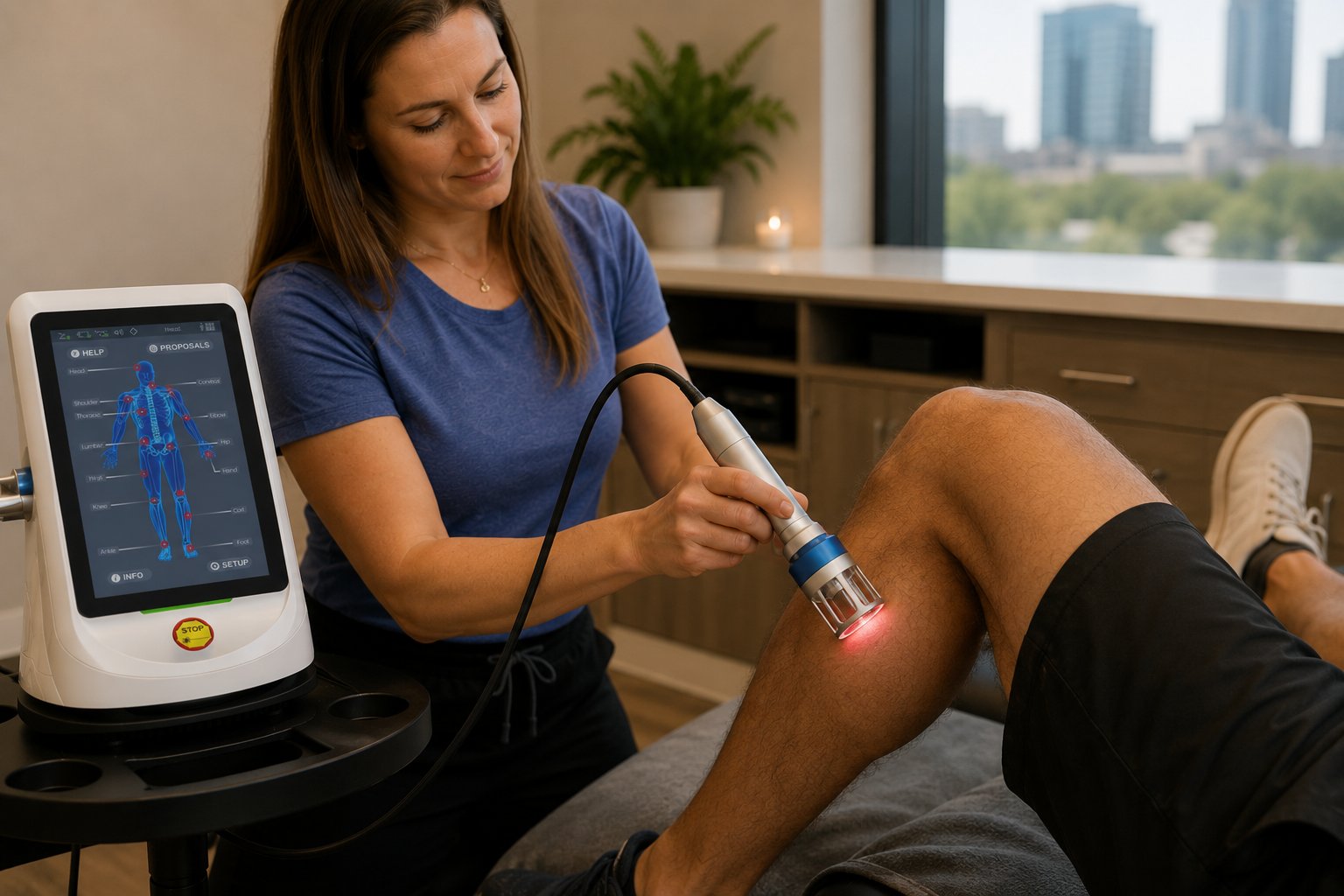
Class IV laser therapy around the neck and shoulder.

Class IV Laser Therapy

May support irritated tissue, inflammatory modulation, and movement comfort when clinically appropriate.

Why it matters: supports tissue recovery and inflammation management.

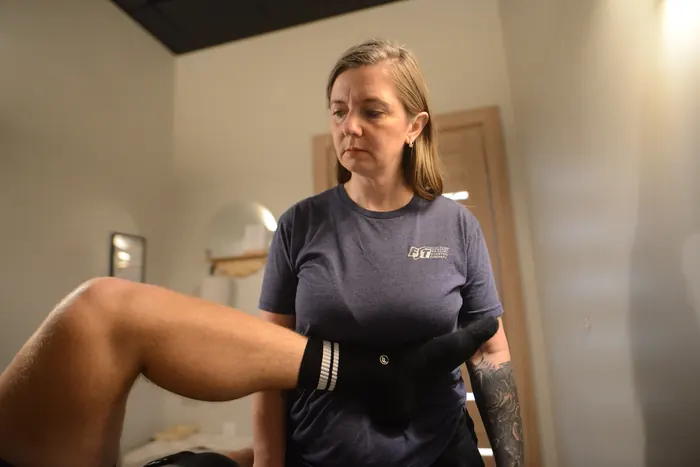
Therapeutic massage used as supportive soft tissue care.

Active Release / Soft Tissue Therapy

May support soft tissue and movement restoration by addressing guarded muscles, tension patterns, and restricted tissue motion.

Why it matters: addresses tension, guarding, and compensation patterns.

These therapies are not randomly bundled. They are selected based on exam findings and the corrective-care goal.

"This was the first place where everything actually felt connected."

Why we use multiple modalities

Why We Don't Believe One Therapy Fits Every Patient

Adjustment-only care, massage-only care, or generic sports-clinic protocols can help some people, but recurring posture and movement problems often involve more than one layer.

Adjustments alone are not always enough

Joint motion matters, but soft tissue, load, posture, and daily movement patterns may also be involved.

Soft tissue restrictions matter

Guarded muscles and restricted fascia can change how comfortably the body moves.

Movement patterns matter

Care should connect to how you sit, stand, drive, exercise, and recover outside the clinic.

Decompression may help some cases

HillDT spinal decompression is considered when exam findings suggest it may be appropriate.

Fascia tension changes mechanics

Fascia stretch therapy may support mobility and reduce compensation when restriction is present.

Integrated care is selected intentionally

The plan should reflect the findings, not a random bundle of therapies.

Why structure matters

Posture, Movement, and Structural Stress: How You Sit, Stand, and Move Changes Everything.

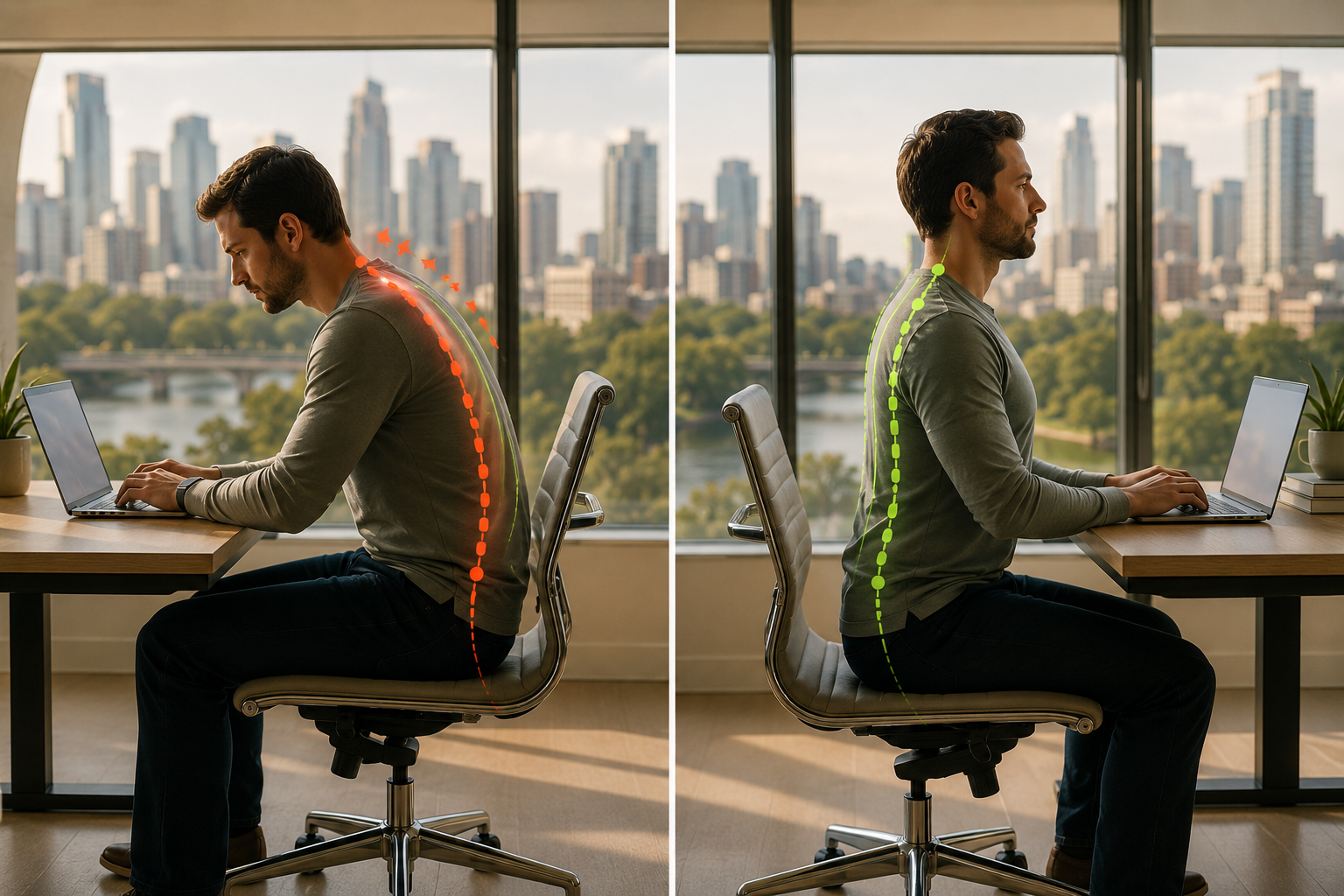
Structure affects load. Load affects compensation. Compensation affects how often symptoms return.

Poor posture and spinal imbalances can create abnormal stress on muscles, joints, and discs, which may contribute to pain, stiffness, headaches, and recurring movement problems.

  • Forward head posture can increase cervical load
  • Restricted spinal motion can change how muscles compensate
  • Better alignment and movement can help the body distribute stress more efficiently
Forward head posture may significantly increase cervical loading. Restricted spinal motion often changes muscular compensation. Long-standing posture patterns can become harder to change over time. Movement quality affects how stress is distributed throughout the body.
Side-by-side comparison of forward head posture and healthier spinal alignment with highlighted cervical spine stress.
Forward posture places more stress through the neck and upper spine, while improved alignment helps distribute load more efficiently.

Patient clarity matters

Austin patients often come in wanting answers, not just another temporary visit.

"The team helped me understand what was going on with my neck instead of just chasing pain."
"I finally understood why my posture and recurring tightness kept coming back."
Austin lifestyle and movement-focused recovery near the waterfront.

Austin lifestyle

Modern Life. Modern Posture Problems.

Long hours at a desk, commuting, devices, and stress all contribute to postural imbalances and spinal stress for many Austin patients.

We help Austin stay active, mobile, and more comfortable for the long haul by connecting your care plan to how you actually live, work, move, and recover.

Evidence-informed corrective chiropractic care discussion and in-house imaging review in Austin.

Evidence-informed, patient-specific

A plan should match the person in front of us.

Corrective care is not about forcing every patient into the same protocol. Some patients need simple movement guidance. Others benefit from a structured plan with chiropractic care, supportive therapies, and progress-based reassessment.

We explain findings clearly so you understand the recommended next step before care begins.

Dr. Nicolas Kellerman at 100% Chiropractic Austin Rosedale.

Our philosophy

Corrective care should explain the pattern, not just chase the pain.

Dr. Nicolas Kellerman and the team at 100% Chiropractic Austin Rosedale believe recurring pain deserves a clear, movement-focused evaluation. The goal is to understand how posture, joint motion, muscle guarding, soft tissue tension, daily habits, and prior injuries may be working together.

That philosophy shapes the first visit: we listen to the pattern, evaluate the mechanics behind it, explain what we find, and recommend care only when the findings support it.

We want patients to leave with clarity about why symptoms may be returning and what next step makes sense for their body.

Why choose this clinic

Why Austin Patients Choose Our Corrective-Care Approach

Most patients who come to our Austin clinic are not looking for random treatment. They want a clearer explanation, a more complete evaluation, and a strategy that actually makes sense.

Corrective-care focused

We focus on why symptoms keep returning, not just short-term symptom reduction.

Integrated modalities

Chiropractic care, posture guidance, movement support, and supportive therapies in one coordinated clinic.

HillDT decompression

Available when exam findings suggest decompression may be clinically appropriate.

Fascia stretch therapy

Used when connective tissue restriction and mobility limits appear to be part of the pattern.

Soft tissue + movement approach

Care connects hands-on therapy with how you sit, stand, drive, work out, and recover.

In-house imaging

X-rays are available when history and exam findings support them clinically.

Clear explanations

Patients leave understanding what may be contributing and what options may make sense.

Progress reassessment

We reassess symptom frequency, movement changes, posture changes, and functional improvement over time.

Book Your Corrective Care Evaluation

Clear findings. Clear options. No pressure.

No cookie-cutter plans

We Don't Believe Every Patient Needs The Same Approach

Some patients only need short-term symptom relief. Others may benefit from a more comprehensive corrective strategy. Recommendations should depend on findings, goals, history, and clinical appropriateness - not a one-size-fits-all formula.

Austin consultation scene for individualized corrective chiropractic care recommendations.

Related neck & posture resources

Research. Education. Results.

Corrective Care, CBP Concepts & Evidence-Informed Spine Rehabilitation

Corrective-care approaches, including concepts discussed in Chiropractic Biophysics and educational resources from Ideal Spine, emphasize posture, spinal curves, biomechanics, and measurable structural stress. We do not force every patient into the same protocol, but this research-informed framework helps explain why spinal structure, loading, and movement patterns matter.

Research helps guide clinical reasoning, but individual recommendations depend on history, exam findings, goals, and clinical appropriateness.

Trust and fit

Corrective Care Is Not For Everyone

A good evaluation should clarify whether this approach makes sense for you. It should not pressure every patient into the same plan.

Frequently Asked Questions

What is corrective chiropractic care?

Corrective chiropractic care is an evaluation-based approach that looks at posture, joint motion, muscle guarding, movement habits, and recurring stress patterns. The goal is to understand why symptoms keep returning and build a plan that supports better movement and function over time.

What makes corrective care different?

Temporary relief may calm symptoms briefly. Corrective care looks for the patterns that recreate the problem, such as limited mobility, posture strain, soft tissue tension, inflammation, or daily work habits.

Do I need X-rays for corrective chiropractic care?

Not everyone needs X-rays. Imaging is considered when your history, exam findings, trauma history, or clinical presentation suggest it may be appropriate.

What conditions do you commonly evaluate with corrective care?

Patients commonly seek evaluation for recurring neck pain, headaches, posture strain, stiffness, upper back tension, low back discomfort, sciatica-like symptoms, and post-accident recovery needs.

What services can be part of a corrective care plan?

Depending on the exam findings, care may include chiropractic adjustments, posture and movement guidance, fascia stretch therapy, Class IV laser therapy, HillDT spinal decompression, soft tissue therapy, or corrective exercise support.

How long does corrective care take?

That depends on your exam findings, symptom history, goals, and how your body responds. Your first visit is designed to clarify what may be contributing and what a reasonable next step looks like.

Is corrective care only for neck pain?

No. Corrective care can apply to recurring neck tension, headaches, posture strain, back pain, stiffness, mobility limits, and other movement-related patterns. The specific plan depends on your evaluation.

Does posture really matter?

Posture is not the only factor, but it can influence how your neck, back, shoulders, muscles, and joints carry load throughout the day. We evaluate posture alongside motion, muscle guarding, symptoms, and daily habits.

What is forward head posture?

Many patients with forward head posture benefit from an evaluation that looks at neck mobility, upper back motion, muscle compensation, desk habits, and posture endurance. Care recommendations depend on the findings.

Why do symptoms keep coming back?

Recurring neck pain often returns when the same posture, movement, muscle guarding, stress, or loading pattern keeps recreating tension. Corrective care focuses on identifying that pattern instead of only chasing temporary relief.

Can posture affect headaches?

For some people, posture strain and neck tension can contribute to recurring headache patterns, especially when symptoms build during desk work, screen time, or long drives.

What is cervical curve loss?

Cervical curve loss refers to a reduced or altered natural curve in the neck. It can be associated with posture habits, muscle guarding, prior injury, or structural stress. Imaging is only considered when clinically appropriate.

Can posture actually change over time?

Yes. Posture and movement habits can change over time through repeated positions, stress, injury history, mobility restrictions, and muscle compensation. Improvement also tends to take time and consistency.

Why do some chiropractic protocols focus on spinal curves?

Spinal curves affect how the body distributes load. When clinically relevant, curve and alignment findings may help explain why certain areas are under stress. They are considered alongside symptoms, movement, and exam findings.

Can posture affect breathing?

Posture can influence rib position, shoulder tension, and breathing mechanics for some people. We do not treat breathing conditions, but we may evaluate how posture and upper back mobility affect movement comfort.

Can posture contribute to fatigue?

It can. When muscles are constantly compensating for restricted mobility or sustained positions, patients may feel more tension, fatigue, and postural effort by the end of the day.

Why does sitting all day affect the spine?

Long sitting can reduce movement variety, increase postural fatigue, and keep the neck, hips, low back, and shoulders under repeated low-level load. For some people, that repeated load contributes to stiffness and recurring tension.

What is structural stress?

Structural stress refers to how posture, spinal loading, joint motion, muscle guarding, and daily positions may affect how the body distributes stress during daily life. It does not mean one single structure is always the problem; it means the pattern deserves evaluation.

What happens during a corrective evaluation?

A corrective evaluation reviews your symptom history, posture, range of motion, soft tissue restriction patterns, compensation patterns, spinal loading considerations, and whether imaging is clinically appropriate.

What makes 100% Chiropractic different?

Our Austin Rosedale clinic combines chiropractic evaluation, movement guidance, posture assessment, and supportive therapies in one setting so patients can better understand the pattern behind recurring symptoms.

Will my insurance cover corrective care?

Coverage varies by plan and recommended services. Our team can help review options, but benefits, deductibles, visit limits, and covered therapies depend on your specific insurance policy.

What is Chiropractic Biophysics?

Chiropractic Biophysics, often called CBP, is a chiropractic technique system and research-informed framework that discusses posture, spinal curves, biomechanics, and structural loading. We may use concepts from this framework for education and clinical reasoning, but recommendations still depend on your individual evaluation.

Is corrective chiropractic the same as posture correction?

Not exactly. Posture may be part of corrective chiropractic care, but the evaluation also looks at joint motion, muscle guarding, soft tissue tension, spinal mechanics, daily habits, and symptom patterns.

What is the difference between corrective care and maintenance care?

Corrective care focuses on evaluating and addressing recurring patterns that may be contributing to symptoms. Maintenance care is typically ongoing supportive care after a patient has already stabilized or reached a desired level of function.

Can corrective care help if I sit at a desk all day?

It may help when desk work is contributing to posture strain, recurring neck tension, stiffness, headaches, or mobility limits. The evaluation looks at how your workday positions and movement habits may be loading your spine.

Why do tight muscles keep returning?

Tight muscles often return when they are compensating for restricted joint motion, posture strain, soft tissue guarding, stress load, or repetitive daily positions. Corrective care looks for why the tension keeps rebuilding.

Is fascia stretch therapy part of corrective care?

Fascia stretch therapy may be included when the evaluation suggests connective tissue restriction, mobility limits, or soft tissue guarding are part of the pattern. It is not automatic for every patient.

What makes HillDT decompression different?

HillDT spinal decompression may be considered for select disc-related, spinal loading, or decompression-appropriate patterns after an exam. It is recommended only when clinically appropriate.

Do all patients receive the same plan?

No. Care recommendations depend on your history, exam findings, goals, symptoms, imaging when appropriate, and how your body responds over time.

How is progress tracked?

Progress may be tracked through symptom patterns, range of motion, posture findings, functional goals, activity tolerance, reassessment findings, and imaging only when clinically appropriate.

What should I expect at the first corrective care visit?

You can expect a focused history, posture and movement evaluation, relevant orthopedic checks, discussion of whether imaging is appropriate, and a clear explanation of findings and next steps.

Why does my neck tension always come back?

Neck tension may keep returning when posture strain, restricted motion, muscle guarding, stress load, desk habits, or prior injury compensation continue recreating the same pattern.

Why do I feel worse after sitting all day?

Sitting can reduce movement variety and keep the neck, shoulders, hips, and low back under sustained load. For some patients, that repeated position contributes to stiffness after sitting or low back tightness after travel.

Can posture change over time?

Yes. Posture can adapt over time based on daily positions, stress, injury history, mobility restrictions, strength, and repeated habits. Evaluation helps determine what may be realistic and clinically appropriate.

What causes posture fatigue?

Posture fatigue can happen when muscles work harder to support sustained positions, especially when mobility limits, forward head posture, stress, or soft tissue restriction are also present.

Why does stress affect my neck and shoulders?

Stress can increase muscle guarding and breathing changes, which may contribute to neck tension during workdays, tight shoulders, upper-back tightness, and headaches that keep returning.

What happens if posture problems are ignored?

Posture problems do not always become serious, but long-standing patterns can contribute to repeated loading, compensation, stiffness, and recurring flare-ups. A corrective evaluation helps clarify whether the pattern matters clinically.

Is corrective care only for severe problems?

No. Many patients seek corrective care because symptoms are predictable, not because they are severe. Feeling pulled forward, waking up tight, recurring headaches, or posture fatigue can all be reasons to get evaluated.

What is the difference between relief care and corrective care?

Relief care focuses on reducing symptoms. Corrective care also asks why the symptoms keep returning, then evaluates posture, movement, loading, soft tissue restriction, and daily habits before recommending next steps.

Can corrective care help office workers?

It may help office workers when desk posture, long sitting, screen habits, neck tension, headaches, or stiffness are part of the recurring pattern. Recommendations depend on the evaluation findings.

Why do symptoms come back after massage or stretching?

Massage or stretching may reduce tension temporarily, but symptoms can return when joint motion, posture load, movement habits, stress, or compensation patterns are still active.

Why does neck tension keep coming back?

Neck tension can keep coming back when the same posture load, muscle guarding, movement restriction, desk position, stress pattern, or old injury compensation keeps recreating the strain.

Why does massage only help temporarily?

Massage may calm tight muscles temporarily, but symptoms can return if the body is still compensating around restricted motion, posture fatigue, spinal loading, or daily habits that keep the pattern active.

Why do flare-ups keep happening?

Flare-ups may keep happening when the body is already under repeated load before work, workouts, driving, stress, or sleep positions add more strain. Evaluation helps identify the recurring trigger pattern.

Can posture affect how my body moves and feels?

Posture can influence shoulder position, spinal loading, hip mechanics, and movement quality. For some patients, that can contribute to stiffness, reduced mobility, or symptoms after workouts.

What is cervical loading?

Cervical loading refers to the amount and direction of stress placed through the neck. Forward head posture, sustained screen time, muscle guarding, and movement restriction can change how that load is distributed.

Can desk work affect spinal mechanics?

Yes. Long workdays can reduce movement variety, encourage forward posture, tighten the upper back and hips, and contribute to recurring tension or stiffness after sitting.

Why do movement restrictions matter?

Movement restrictions can cause nearby joints and muscles to compensate. Over time, that compensation may contribute to posture fatigue, tight shoulders after work, recurring tension, or discomfort during activity.

When to get checked

When It May Be Time For A Corrective Care Evaluation

If symptoms keep returning, worsen with desk work, affect sleep or workouts, limit movement, or repeatedly come back after temporary relief, it may be worth evaluating the patterns contributing to them.

Book Your Corrective Care Evaluation

Clear findings. Clear options. No pressure.

Visit Our Central Austin Location

100% Chiropractic Austin Rosedale
3800 N Lamar Blvd, Ste 160
Austin, TX 78756

(512) 638-8544
Mon-Thu: 8am - 12pm; 1:30 - 5:30pm
Fri: 8am - 12pm

The clinic sits between Local Foods and Westlake Dermatology facing Lamar Blvd and in the same building as Kendra Scott's HQ. We validate parking in the clinic. For garage GPS, use 3809 Medical Pkwy.

Get Directions

What Austin Patients Are Saying

4.9 4.9 stars

Based on 73 reviews

5 stars

"The team helped me understand what was going on with my neck instead of just chasing pain."
- Local patient

5 stars

"Best chiropractic care in Austin. The combination of treatments really made a difference in my recovery."
- Ryan T. Read more reviews on Google

Corrective Care Learning Hub

Learn More About Posture, Movement, and Structural Stress

Explore related Austin corrective-care resources that connect recurring symptoms with posture, desk work, spinal loading, soft tissue tension, decompression, and accident-related posture changes.

The relief cycle

Why Many People Stay Stuck In The Relief Cycle

Temporary relief can feel encouraging at first. But when posture strain, movement restriction, soft tissue tension, or loading patterns are never addressed, the same problems often return repeatedly.

Austin corrective care findings review before treatment recommendations.

After you book

What Happens After You Book?

The next step should feel simple, calm, and useful - especially if you are still trying to understand why symptoms keep returning.

1

Evaluation & conversation

Choose a time to talk through symptoms, daily triggers, and what keeps repeating.

2

Review findings and movement/posture patterns

We explain what we see, what may matter, and how it relates to your daily symptoms.

3

Decide what approach makes sense

You get clear options based on your findings, goals, and clinical appropriateness.

No obligation to begin care unless the recommendations feel right.

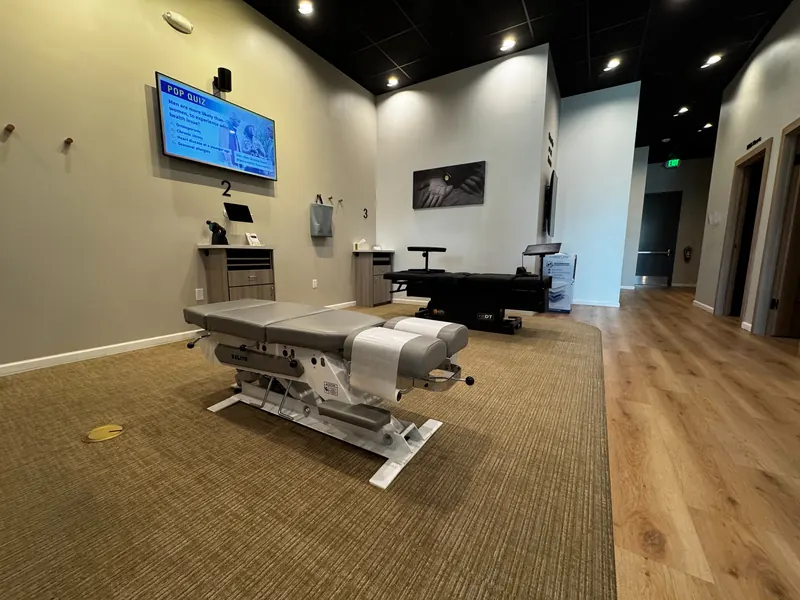
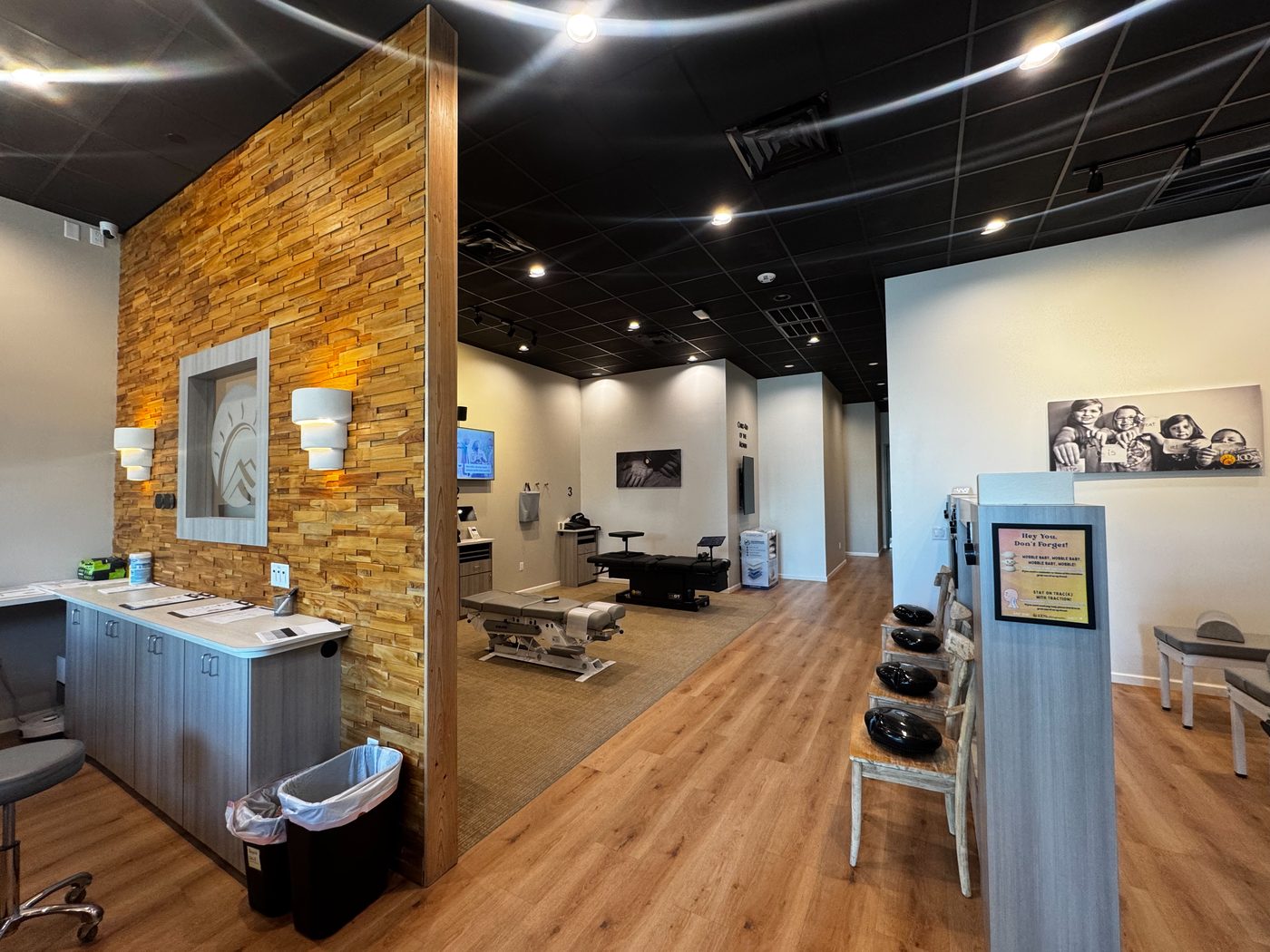
100% Chiropractic Austin Rosedale clinic interior for corrective chiropractic care evaluations in Austin.

Tired Of Temporary Relief?

If recurring tension, posture fatigue, headaches, stiffness, or flare-ups keep becoming part of daily life, start with a corrective-care evaluation designed to help identify the underlying pattern.

Clear findings. Clear options. No pressure.

Last updated May 25, 2026

Book Your Corrective Care Evaluation Book