
Low Back and Pelvis Mechanics
Restricted spinal or pelvic motion may increase mechanical stress around sensitive nerve pathways.


 Book Your $49 First Experience
Clinic information, patient education, and online scheduling for 100% Chiropractic Austin Rosedale on MendAndFlow.
100% Chiropractic Austin Rosedale 3800 N Lamar Blvd, Ste 160 Austin, TX 78756 (512) 638-8544Sciatica care in Austin, TX
Evaluation-first care for pain, numbness, tingling, or tightness that travels from the low back into the hip, glute, leg, calf, or foot.
Sciatica is often a symptom pattern, not a complete diagnosis by itself. Our Central Austin clinic evaluates the low back, pelvis, hip mobility, muscle guarding, nerve irritation patterns, movement mechanics, and daily stress patterns.
The goal is to understand what may be contributing to the pattern, not simply chase the pain down the leg.
Same-day and same-week appointments are often available in Central Austin and Rosedale.

Why this happens
Sciatica-like symptoms can occur when the low back, pelvis, hips, discs, joints, soft tissue, or surrounding muscles contribute to irritation or sensitivity along the nerve pathway. In some cases, several of these factors may be involved at the same time.
For many Austin professionals, hybrid workers, drivers, gym-goers, parents, and active adults, the pattern is often affected by sitting, lifting, workouts, travel, hip mobility, spinal motion, and muscle guarding.
Restricted spinal or pelvic motion may increase mechanical stress around sensitive nerve pathways.
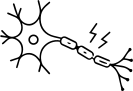
Hip tension, glute guarding, or nerve sensitivity can contribute to leg symptoms for some patients.

Driving, desk work, lifting, workouts, and travel can repeat the same low back and pelvis stress patterns.
Symptoms that ease briefly, return, or affect work, sleep, walking, or daily activity are common reasons patients seek a clearer evaluation.

Sciatica pathway
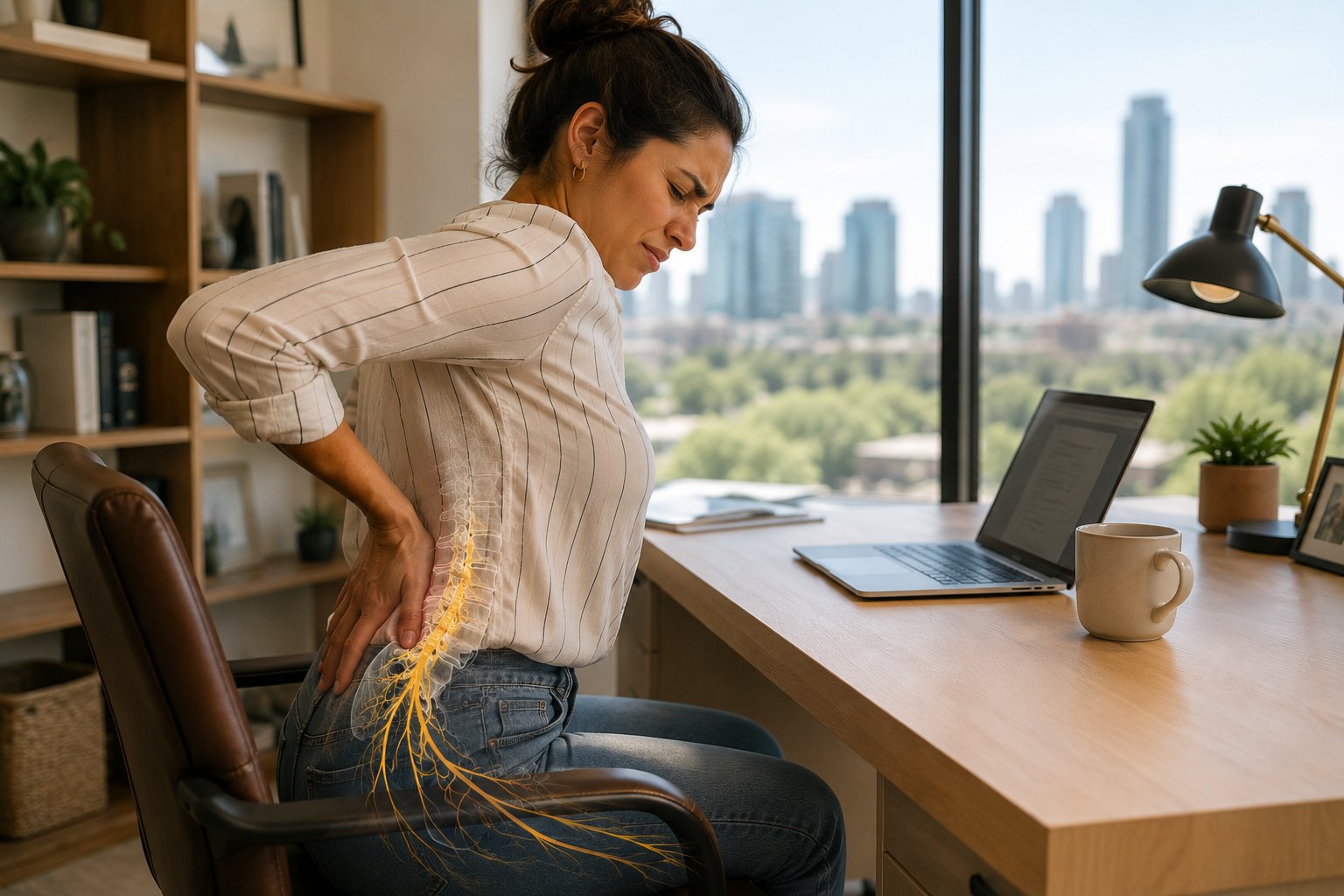
The sciatic nerve pathway begins near the lower spine and travels through the pelvis, glute, thigh, calf, and foot. Symptoms can travel into the glute or leg even when the contributing pattern may be in the low back, pelvis, hip, disc, joint, or soft tissue system.
This visual is educational only. A focused evaluation helps clarify whether your symptoms behave more like nerve irritation, disc-related stress, hip or glute restriction, referred pain, or another pattern that needs a different next step.
Evaluation before assumptions
Pain, burning, tingling, numbness, or tightness traveling into the glute or leg can come from different contributors. The low back, discs, pelvis, hip mobility, glute tension, nerve sensitivity, and soft tissue compensation may all be involved for different patients.
A focused evaluation helps clarify which pattern is most likely before recommending chiropractic care, decompression, soft tissue work, referral, or another next step.
Pain, tingling, or numbness may travel from the low back into the glute, thigh, calf, or foot for some patients.
Tightness or guarding around the hip and glute can sometimes mimic or contribute to sciatica-like symptoms.
Burning, shooting pain, pins-and-needles, or numbness may suggest nerve involvement that should be evaluated carefully.
Not all leg pain is nerve pain. Some symptoms may be referred from joints, muscles, fascia, or movement compensation.
Progressive weakness, loss of bowel or bladder control, saddle numbness, severe trauma, fever, or rapidly worsening symptoms require urgent medical care.
Common symptoms

Why temporary relief often does not last
Temporary relief can help calm symptoms, but recurring sciatica-like pain often returns when the low back, pelvis, hip mobility, soft tissue, or nerve-irritation pattern is not fully evaluated.
In our clinic, sciatica and leg pain care starts with evaluation. We look at movement, posture, structure, hip and pelvic mechanics, muscle guarding, and nerve-related symptoms so recommendations are based on what we find.
This is part of our corrective-care-oriented approach for recurring glute and leg symptoms.
 Often focuses on the area that hurts during a flare-up.
 May include stretching, rest, massage, medication, or short-term adjustments.
 Can help temporarily, but symptoms may return when the same stress patterns repeat.
 Evaluates the low back, pelvis, hip mobility, muscle guarding, movement patterns, and nerve-related symptoms.
 Looks at how sitting, lifting, driving, workouts, and daily habits may contribute.
 Helps patients understand what may be driving the recurring pattern.
What patients often notice
Many people wait until sciatica-like symptoms start shaping work, workouts, driving, sleep, or family life. The stories often sound familiar.
A clear explanation first
Our evaluation looks at the full pattern before recommending care: where symptoms start, whether pain travels below the knee, whether numbness, tingling, burning, or weakness is present, and what positions or activities make symptoms better or worse.
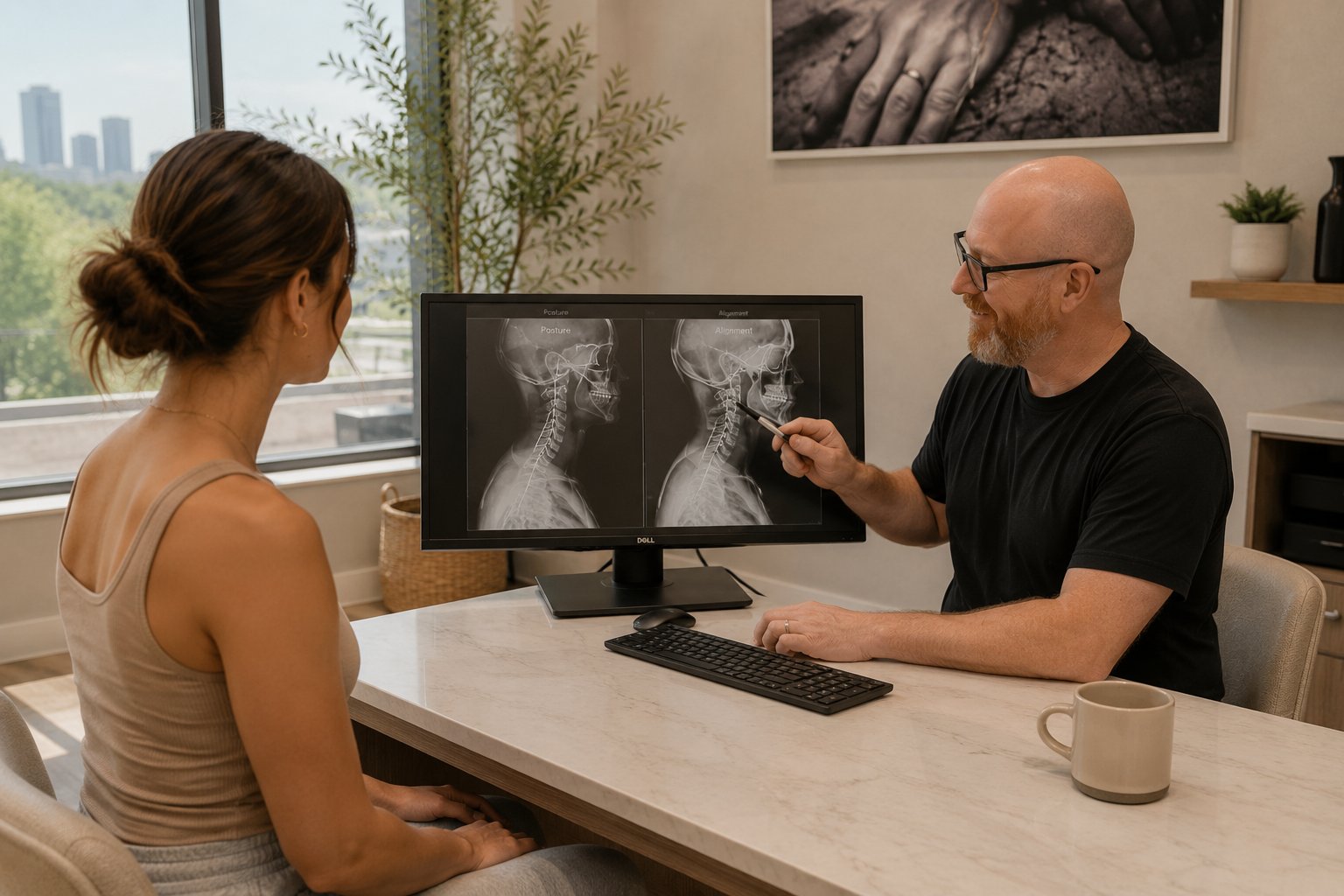
We also look at low back and pelvis movement, hip and glute mobility, sitting and driving triggers, orthopedic findings, neurological screening when appropriate, and whether X-rays, referral, or decompression consideration may be appropriate.
Dr. Nick Kellerman explains how comprehensive evaluations can help identify contributing factors and why treatment recommendations often differ from patient to patient.
Our integrated approach
Our approach is designed to evaluate musculoskeletal contributors to recurring sciatica-like symptoms and help patients move, feel, and function better. Learn more about our corrective-care approach.
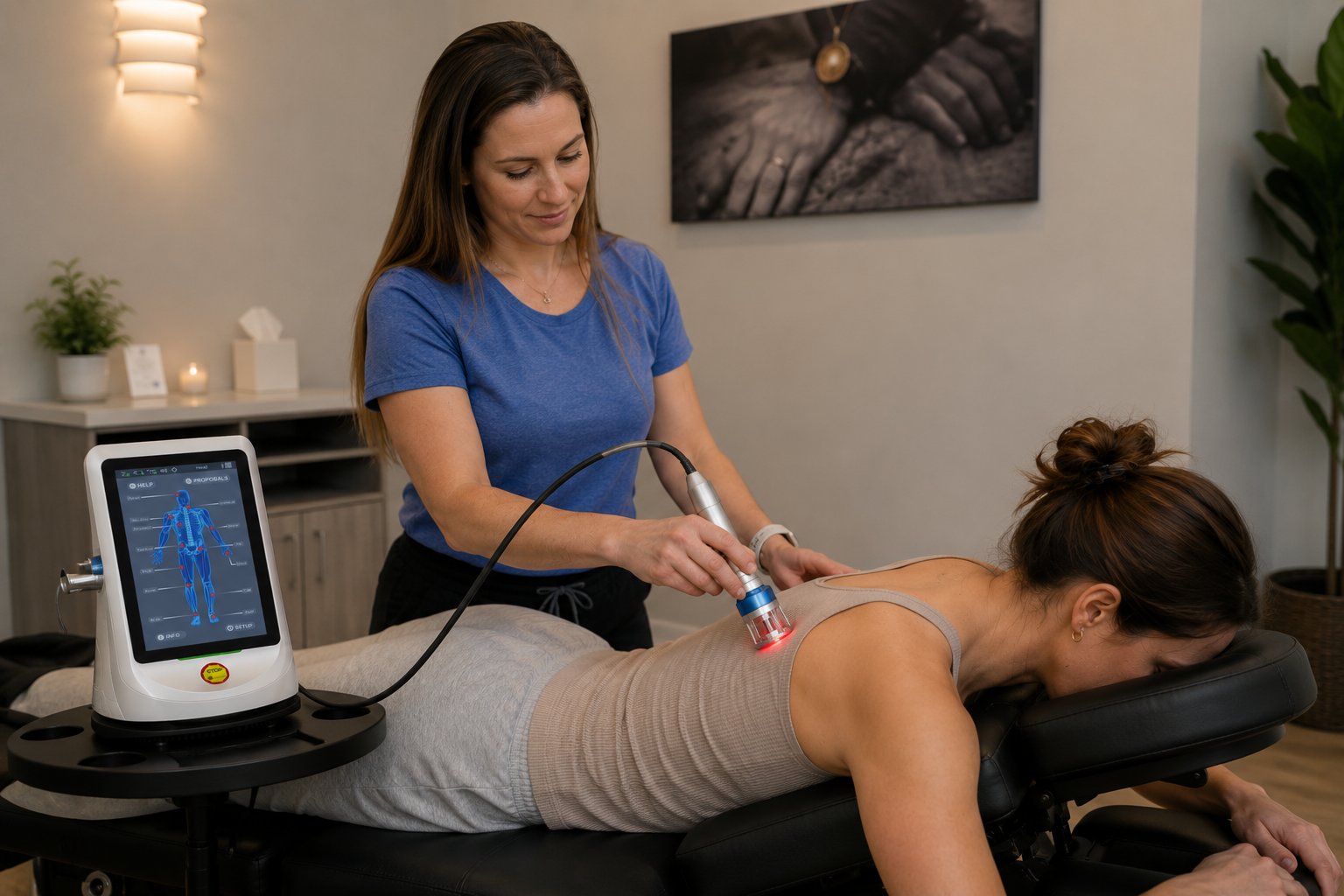
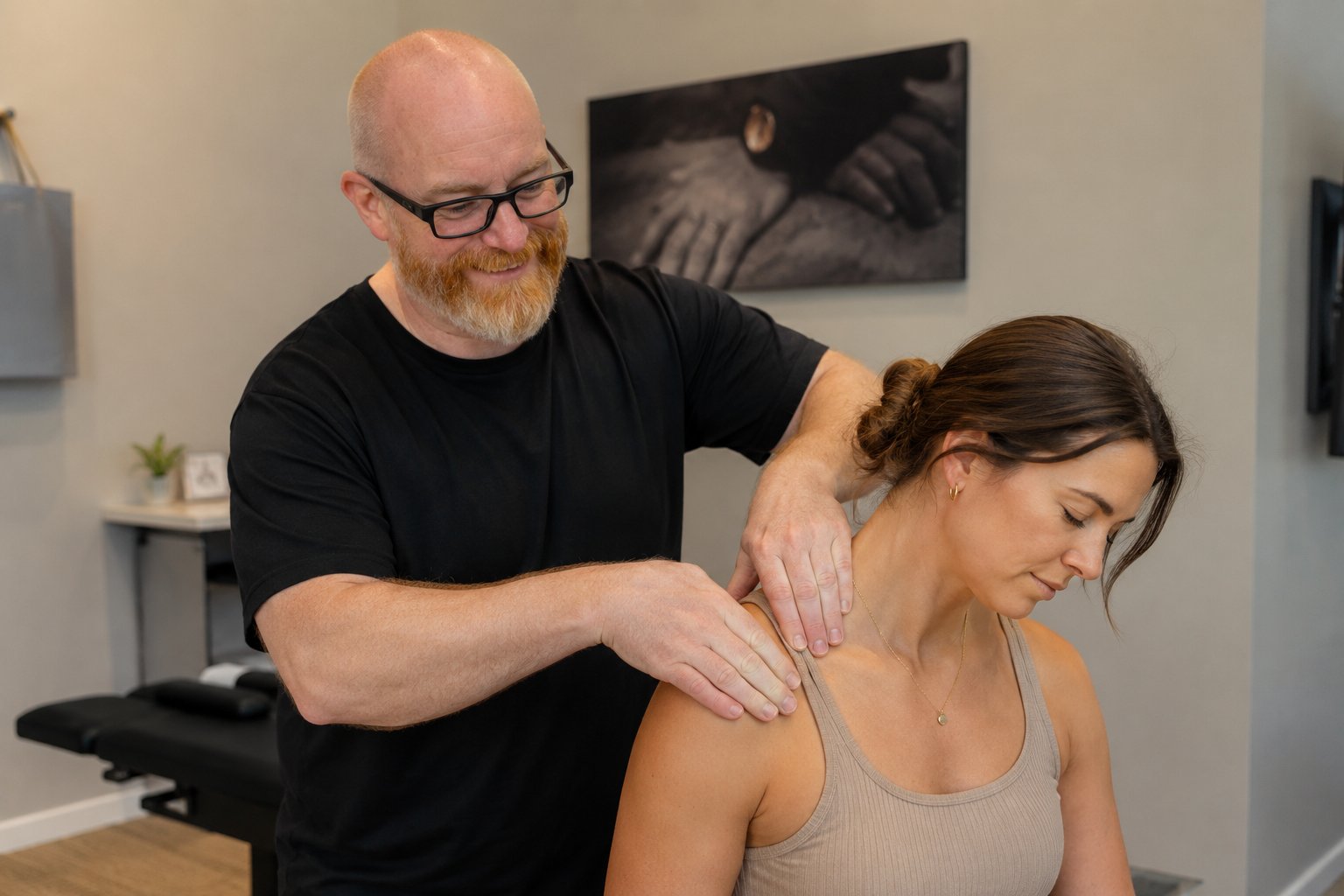
After the evaluation, care may include chiropractic care, spinal decompression, soft tissue therapy, fascia stretch therapy, Class IV laser therapy, corrective exercise, or referral when clinically appropriate.
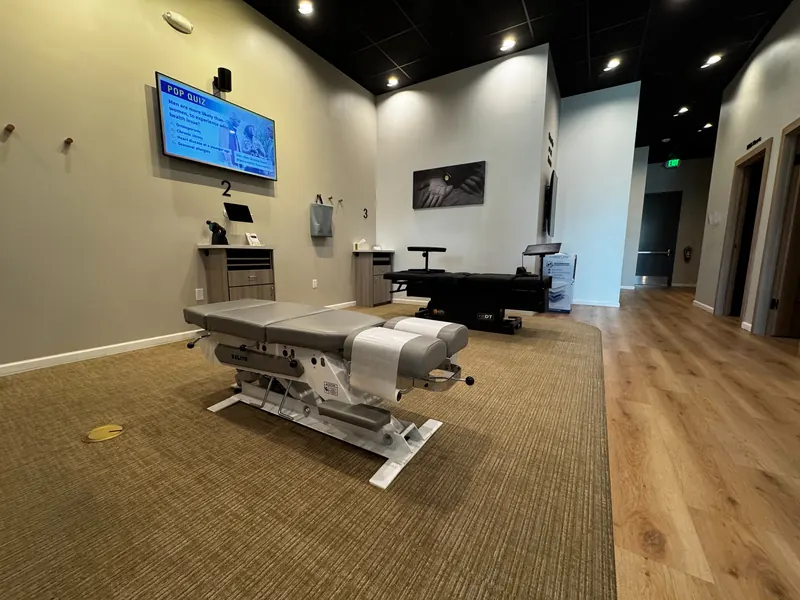
Supports spinal and pelvic joint motion to reduce stiffness, improve mobility, and help the body move with less compensation.
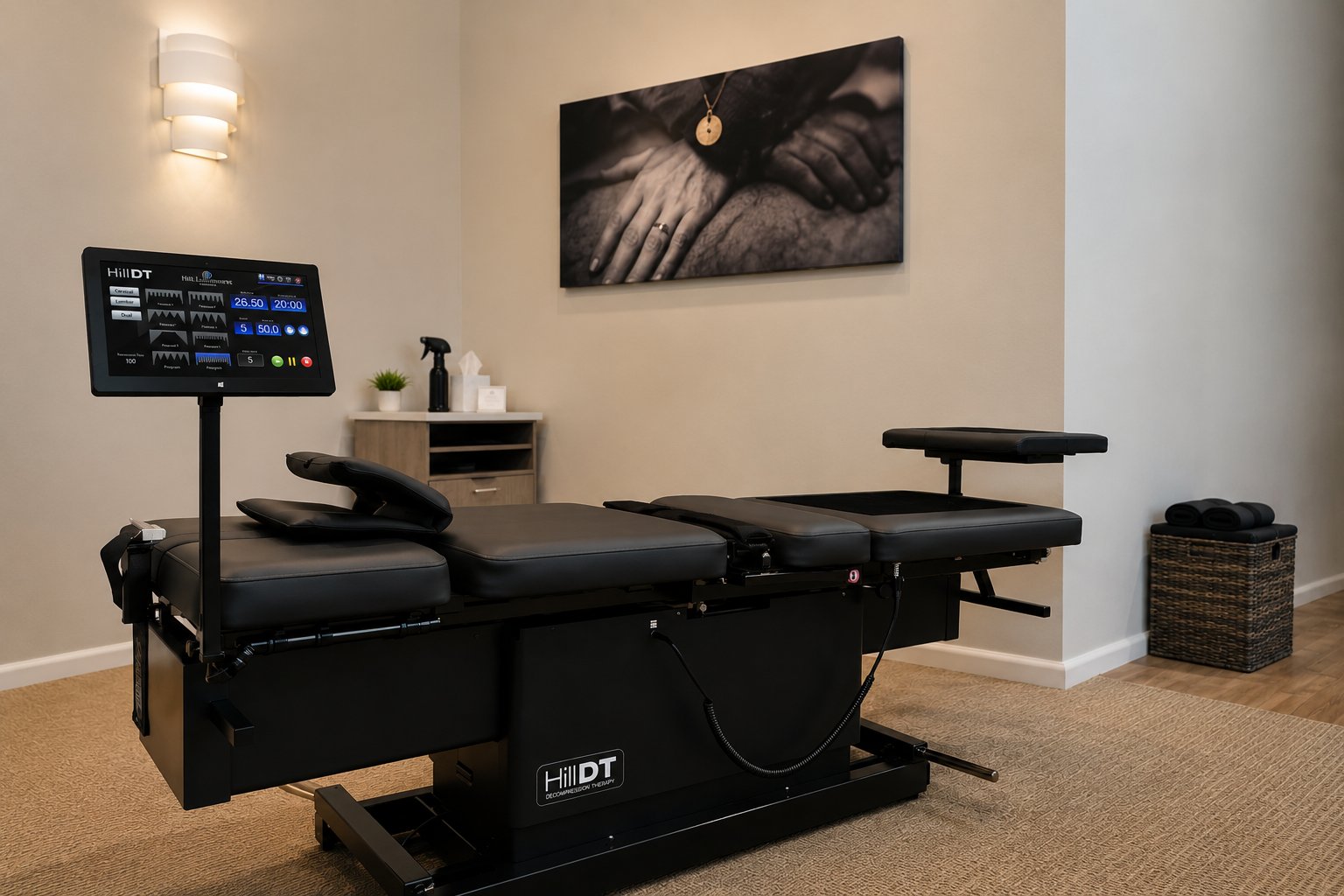
May be considered for certain disc-related or decompression-appropriate cases after evaluation.
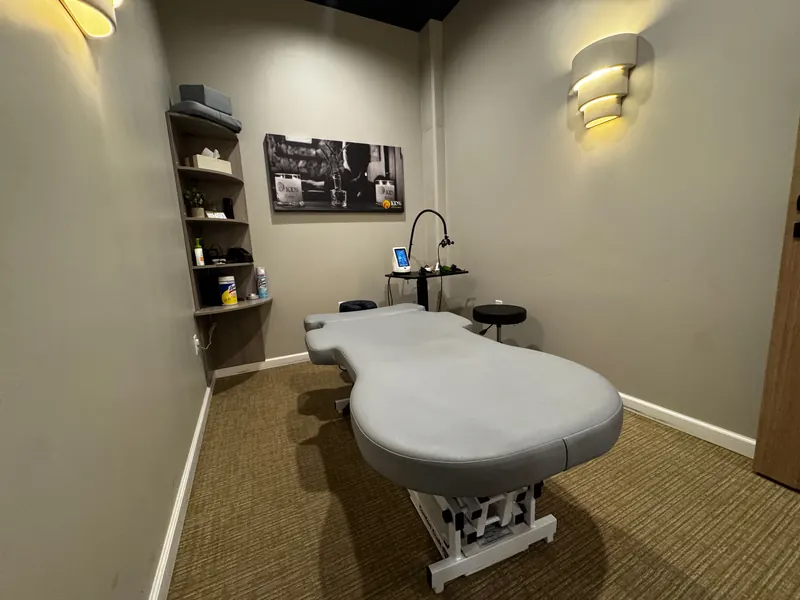
Supports irritated soft tissue and inflammatory modulation when clinically appropriate.
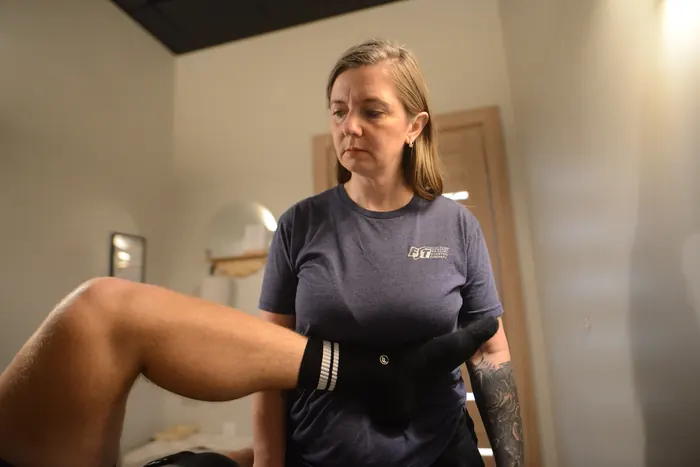
Helps address hip, glute, hamstring, and fascia restrictions that may affect sitting, lifting, walking, and leg-symptom triggers.
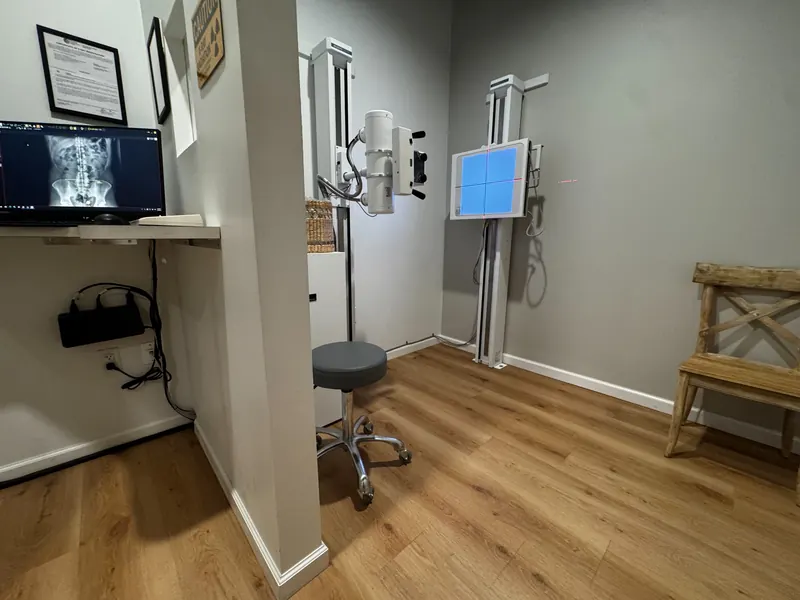
Supports better mechanics for sitting, lifting, walking, workouts, and daily life.
Care matched to findings
Not every person with sciatica-like symptoms needs the same plan. Recommendations depend on where symptoms travel, how they behave, what the exam shows, and whether conservative care is appropriate.
Chiropractic care and corrective movement may be considered when joint restriction and mechanical stress are part of the pattern.
Soft tissue therapy, Fascia Stretch Therapy, and movement support may be considered when hip or glute restrictions are involved.
Class IV laser may be considered when tissue irritation or inflammation-related leg or glute discomfort appears relevant.
Care recommendations depend on exam findings, symptom behavior, and whether referral or additional evaluation is appropriate.
Some symptoms require urgent or medical referral rather than routine chiropractic care.
Why choose this clinic
Not every sciatica visit should feel like a quick adjustment and goodbye. Our clinic is built around a more complete, movement-focused evaluation.
Many patients come to us after trying temporary relief strategies that never fully addressed the recurring pattern.
We believe recurring leg pain deserves a thoughtful evaluation before recommendations, which is why our movement-focused corrective care emphasizes structure, mobility, hips, pelvis, nerve-related symptoms, and recurring patterns.
We look for patterns behind recurring symptoms, not just short-term symptom relief.
Chiropractic care, movement guidance, imaging when appropriate, decompression options, and supportive therapies when they fit your findings.
Imaging may help clarify alignment, disc spacing, degeneration, or structural stress when exam findings indicate it.
Patients work with a clinic director experienced in evaluating recurring low back, hip, glute, and leg symptom patterns.
Patients leave understanding what may be contributing to their symptoms and what options may make sense.
Clinic proof
Patients often arrive wanting to know whether the issue is coming from the back, hip, glute, disc, nerve pathway, or another contributor. The value of the first visit is clarity before committing to a care path.
We review where symptoms travel, what triggers them, and whether numbness, tingling, burning, or weakness changes the next step.
Chiropractic care, decompression, laser therapy, fascia stretch therapy, exercise, or referral may fit different patients for different reasons.
When symptoms suggest possible disc or nerve involvement, the evaluation looks for signs that may change the plan.
Some symptoms are better handled by urgent medical care or another provider. We keep that distinction clear.
Seek urgent medical care for severe or progressive weakness, loss of bowel or bladder control, saddle numbness, major trauma, fever, unexplained weight loss, or rapidly worsening numbness or neurological symptoms. This page is for non-emergency sciatica-like leg pain evaluation and treatment planning.
Sciatica describes symptoms that travel along or near the sciatic nerve pathway, often into the buttock, thigh, calf, foot, or toes. It is a symptom pattern, not a complete diagnosis by itself.
Recurring sciatica-like symptoms may involve low back motion, pelvis and hip mechanics, disc stress, muscle guarding, nerve sensitivity, sitting, driving, lifting, workouts, or daily habits. Evaluation helps identify what may be contributing before recommending care.
For some patients, prolonged sitting or driving can increase sensitivity through the low back, pelvis, hip, and nerve pathway. The evaluation considers how symptoms change with sitting, standing, walking, bending, and daily work demands.
Hip, glute, hamstring, and fascia restrictions may contribute to sciatica-like symptoms for some patients. Similar leg symptoms can also come from the low back, discs, joints, or nerve irritation, so a focused evaluation is important.
Not every patient needs X-rays. When clinically appropriate, digital X-rays can help evaluate alignment, disc spacing, degenerative changes, and structural stress that may affect care planning.
Yes. HillDT spinal decompression may be considered for certain disc-related or decompression-appropriate patterns after evaluation. It is not appropriate for every patient with leg pain.
Some patients with sciatica-like symptoms may benefit from chiropractic evaluation and care, depending on the underlying contributors and examination findings. Recommendations are based on each patient's symptom pattern, history, and exam.
Seek urgent medical care for severe or progressive weakness, loss of bowel or bladder control, saddle numbness, major trauma, fever, unexplained weight loss, or rapidly worsening numbness or neurological symptoms.
A sciatica evaluation reviews symptom location, whether pain travels below the knee, numbness, tingling, burning, weakness, sitting or driving triggers, low back and pelvis motion, hip and glute mobility, orthopedic findings, neurological screening when appropriate, and whether X-rays, referral, or decompression consideration may be clinically appropriate.
When to get checked
If leg pain, tingling, numbness, or glute pain keeps returning, a focused evaluation can help clarify what may be contributing to the pattern and what care options may make sense.
Local sciatica and leg pain care in Central Austin
100% Chiropractic Austin Rosedale is located at 3800 N Lamar Blvd, Ste 160, Austin, TX 78756. Patients visit us for sciatica-like leg pain, recurring glute symptoms, numbness or tingling into the leg, low back patterns, and symptoms that keep returning after temporary relief.
100% Chiropractic Austin Rosedale
3800 N Lamar Blvd, Ste 160
Austin, TX 78756
(512) 638-8544
Mon-Thu: 8:00am - 12:00pm; 1:30pm - 5:30pm
Fri: 8:00am - 12:00pm
The clinic sits between Local Foods and Westlake Dermatology facing Lamar Blvd and in the same building as Kendra Scott's HQ. We validate parking in the clinic. For garage GPS, use 3809 Medical Pkwy.
Get DirectionsRated 4.9/5.0 on Google
Some patients wait until symptoms keep returning before seeking a clearer evaluation and next steps.
Many patients are looking for a clearer explanation of why symptoms continue returning and what steps may support longer-term improvement.
Read current Google reviews
If pain, tingling, numbness, or tightness keeps traveling into your hip, glute, or leg, the next step is a focused evaluation to understand what may be contributing to the pattern.
Our Central Austin clinic helps patients understand why symptoms may be recurring before recommending chiropractic care, corrective care, decompression, or integrated treatment options.
Same-day and same-week appointments are often available.
MendAndFlow is a healthcare-provider directory and patient-education platform owned and operated by Quake Brands LLC.
This clinic profile and its related educational and online-scheduling pages feature 100% Chiropractic Austin Rosedale.
Clinical services are provided by 100 Chiro Corona LLC d/b/a 100% Chiropractic Austin Rosedale, an independently owned and operated 100% Chiropractic franchise.
Appointment requests made through these pages are for the Austin Rosedale clinic. MendAndFlow does not provide clinical care and is not the corporate 100% Chiropractic website.
100% Chiropractic Austin Rosedale Book Your $49 First Experience
Book Evaluation
Book Your $49 First Experience
Book Evaluation