
Posture-Related Low Back Stiffness
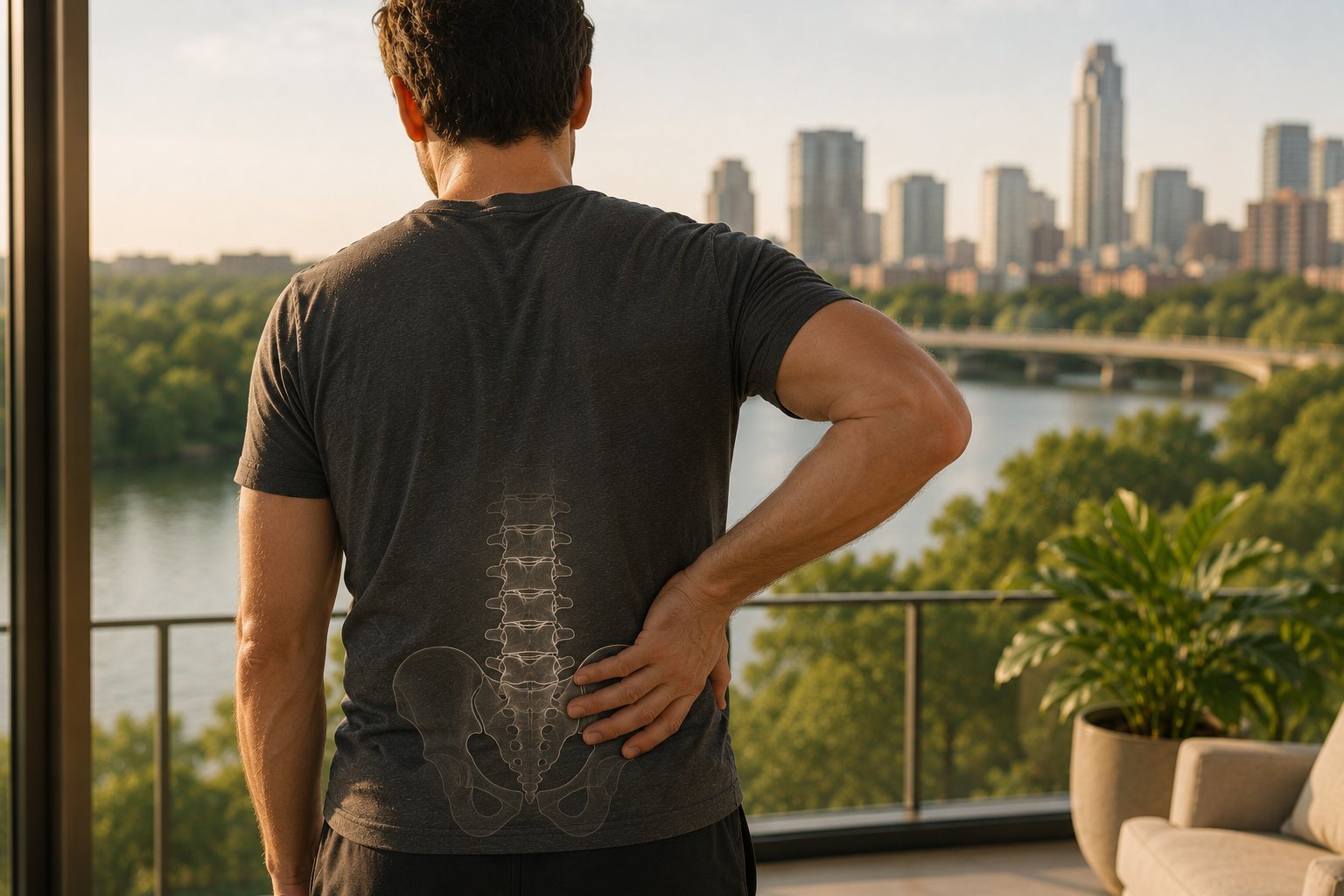
Sitting, laptop work, and driving can increase stress through the lumbar spine and pelvis.


 Schedule Low Back Evaluation
Clinic information, patient education, and online scheduling for 100% Chiropractic Austin Rosedale on MendAndFlow.
100% Chiropractic Austin Rosedale 3800 N Lamar Blvd, Ste 160 Austin, TX 78756 (512) 638-8544Low Back Pain Treatment - Austin, TX
Evaluation-first care for low back pain, stiffness, hip-related discomfort, and recurring flare-ups.
For many Austin patients, sitting, driving, workouts, lifting, stress, and old movement habits gradually rebuild the same low back pattern week after week.
Our clinic focuses on identifying why the pattern keeps returning before recommending care.
Same-day and same-week appointments are often available.
Why this happens
You stretch. You foam roll. You get massages. You improve your posture for a few days. For a while, your back feels better. Then the same low back pattern returns.
For many Austin professionals, parents, athletes, hybrid workers, and commuters, recurring stiffness and low back pain are not one random episode. They can build from how the spine, pelvis, hips, soft tissue, and daily load are working together.
Sitting, laptop work, and driving can increase stress through the lumbar spine and pelvis.

Restricted joint motion, muscle guarding, or repeated loading can make symptoms easier to trigger again.

When the hips or pelvis do not share load well, the low back may become the area that complains.
Symptoms that ease briefly, return, or affect work, sleep, walking, or daily activity are common reasons patients seek a clearer evaluation.
Common symptoms

Why temporary relief often does not last
Stretching, massage, rest, and pain relievers may help symptoms calm down temporarily. But if the same stress pattern keeps rebuilding, relief can feel short-lived.
In our clinic, low back pain care starts with evaluation. We look at movement, posture, structure, hip and pelvic mechanics, and soft tissue restriction so recommendations are based on what we find, not a generic adjustment-only plan.
This is part of our corrective-care-oriented approach for recurring pain patterns.
 Often focuses on calming symptoms when the back flares up.
 May include repeated stretching, rest, massage, or quick fixes.
 Helpful short term, but recurring patterns often return when daily load repeats.
 Evaluates patterns such as joint motion, hip mobility, posture, and muscle guarding.
 Aims to support better movement instead of only chasing pain.
 Helps patients understand factors contributing to recurring low back pain.
What patients often notice
Many people do not seek care the first time their low back feels tight. They usually come in after they notice a pattern that keeps shaping work, workouts, driving, sleep, or family life.
A clear explanation first
Recurring low back pain is not always random. For many patients, the lower back is responding to how the spine, pelvis, hips, soft tissue, and daily loading patterns are working together.
Low back pain may involve the lower back itself, but it can also be influenced by pelvic mechanics, hip mobility, soft tissue restriction, disc stress, and compensation patterns.
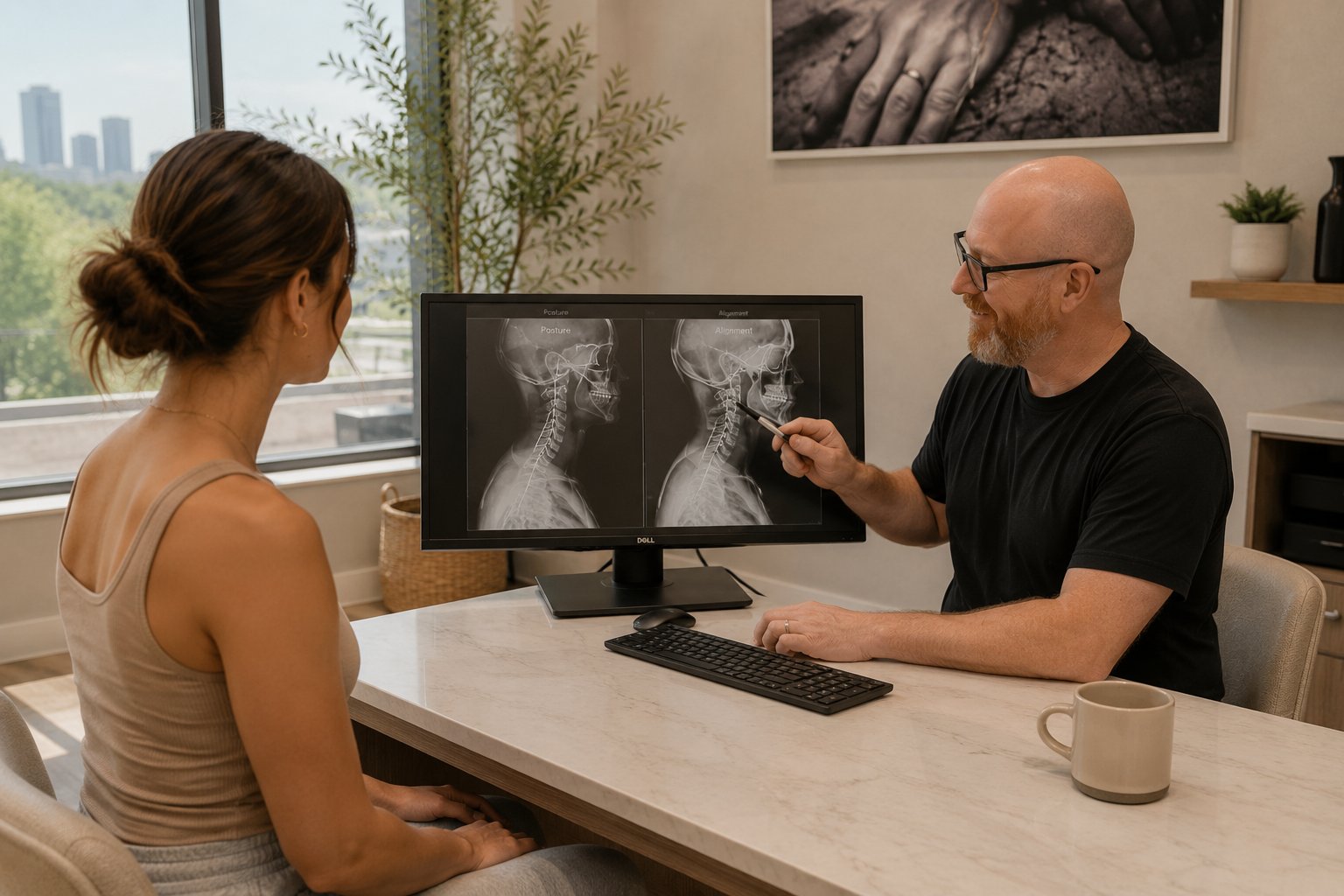
Dr. Nick Kellerman explains how comprehensive evaluations can help identify contributing factors and why treatment recommendations often differ from patient to patient.
Your first visit is designed to understand the pattern behind your symptoms - not just where it hurts that day. When clinically indicated, that may include posture and mobility evaluation, orthopedic findings, muscle guarding assessment, and digital X-rays.
Our integrated approach
Our approach is designed to evaluate musculoskeletal contributors to recurring low back pain and help patients move, feel, and function better. Learn more about our corrective-care approach.
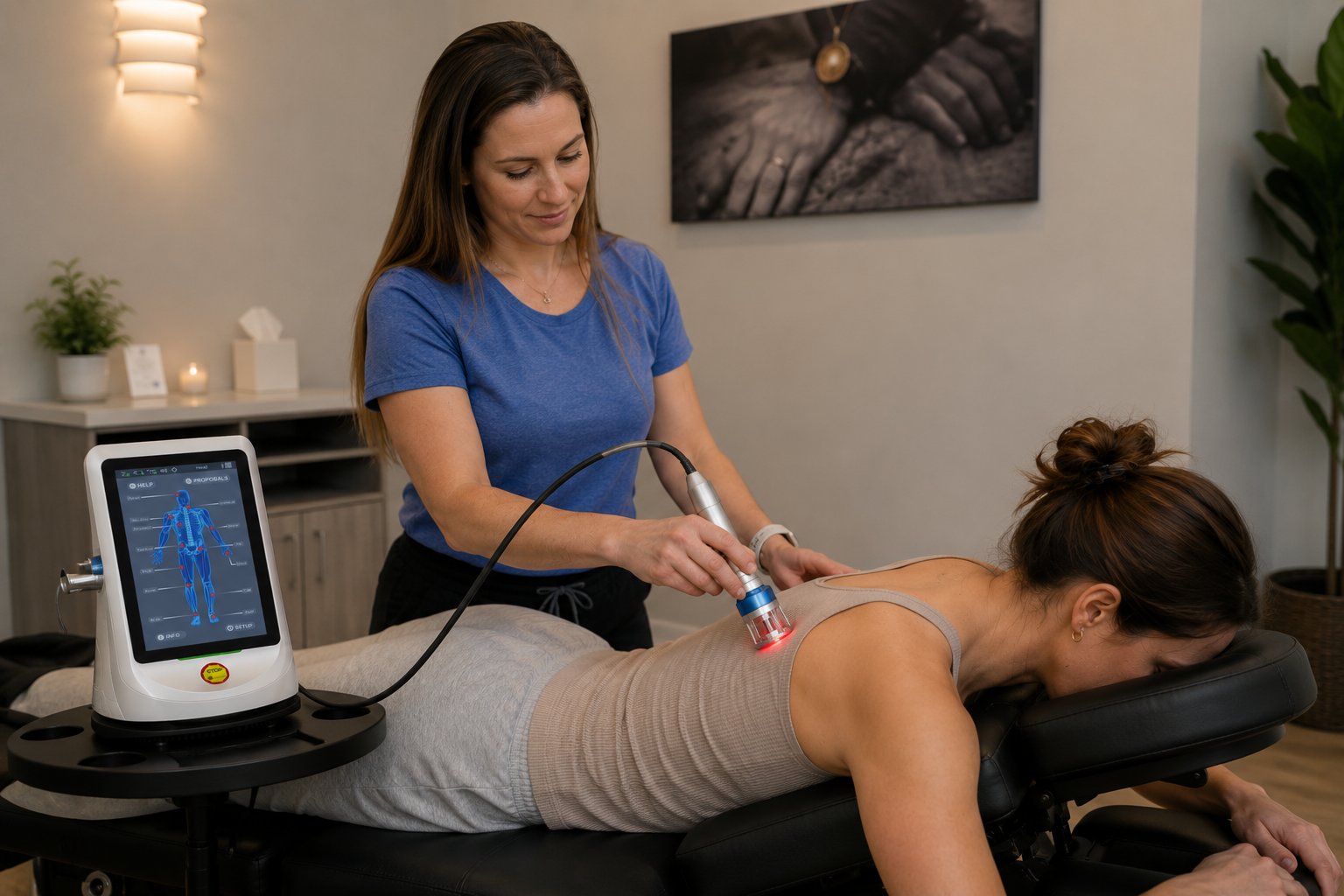
After the evaluation, care may include chiropractic care, corrective care, soft tissue therapy, fascia stretch therapy, Class IV laser therapy, or decompression options when clinically appropriate. Therapeutic massage availability is temporarily limited.
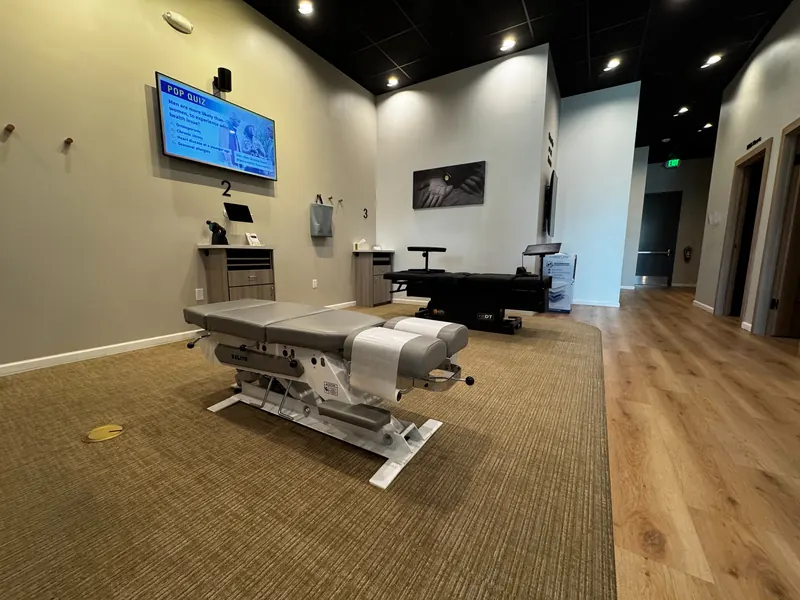
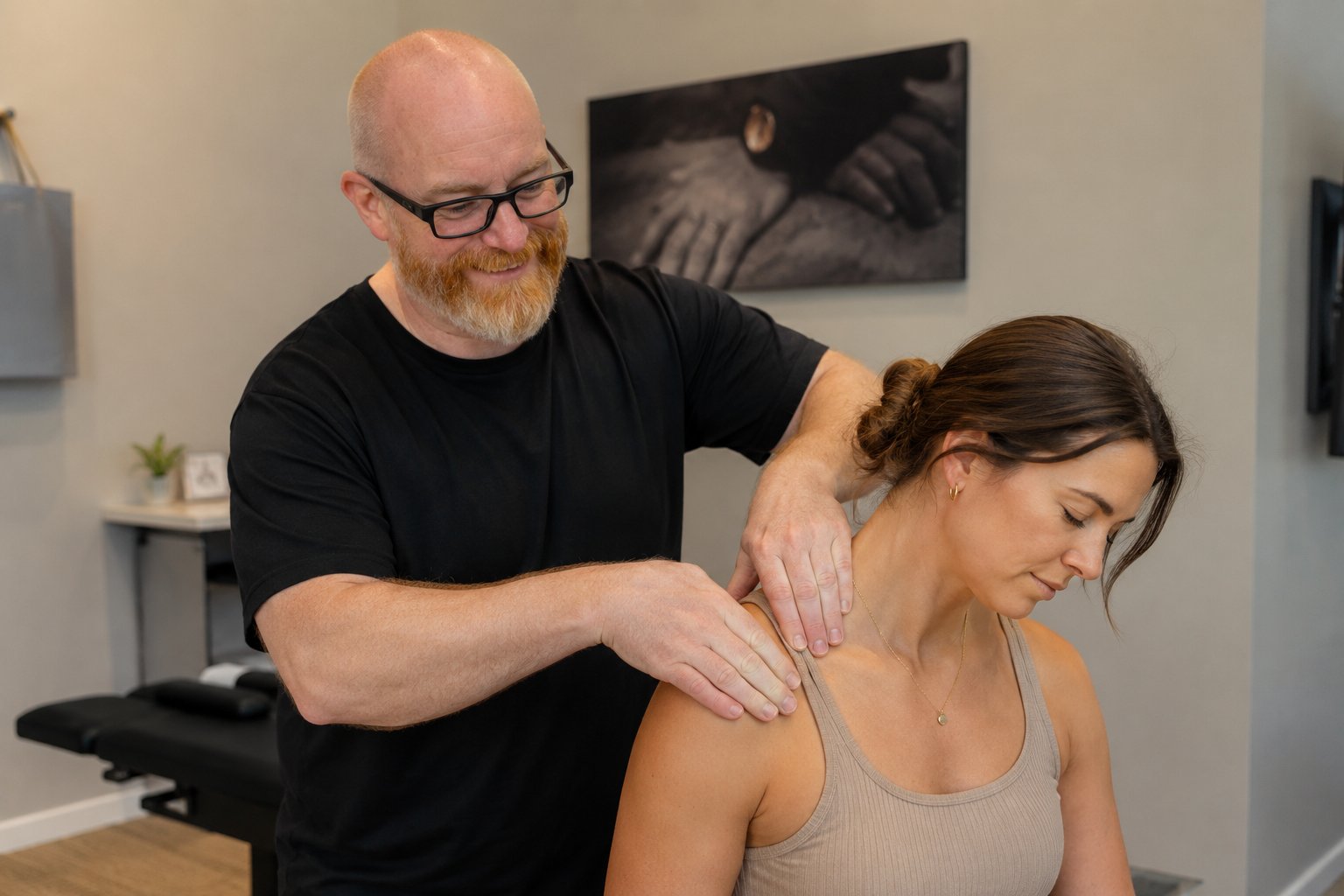
Supports joint motion and spinal mechanics to reduce stiffness, improve mobility, and help your body move with less compensation.
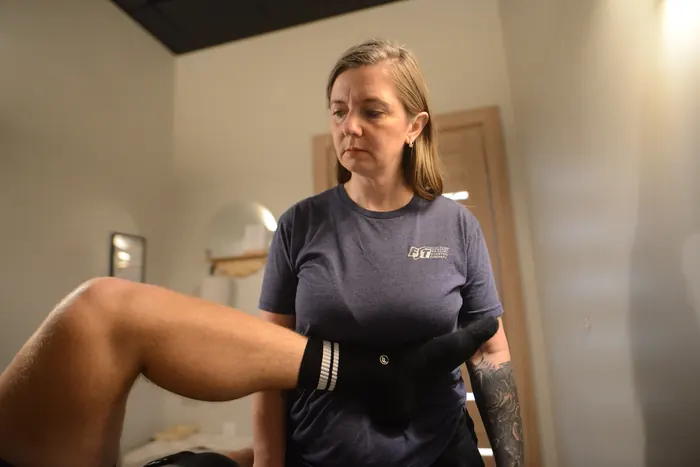
Targets tight connective tissue and muscle restrictions that may influence hip, pelvis, and low back motion.
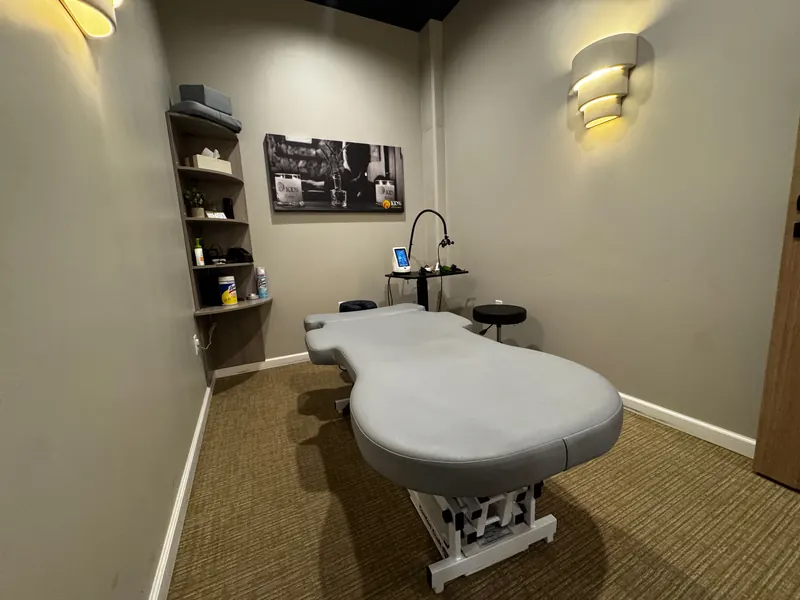
Supports irritated soft tissue, inflammatory modulation, and comfort when clinically appropriate for your care plan.
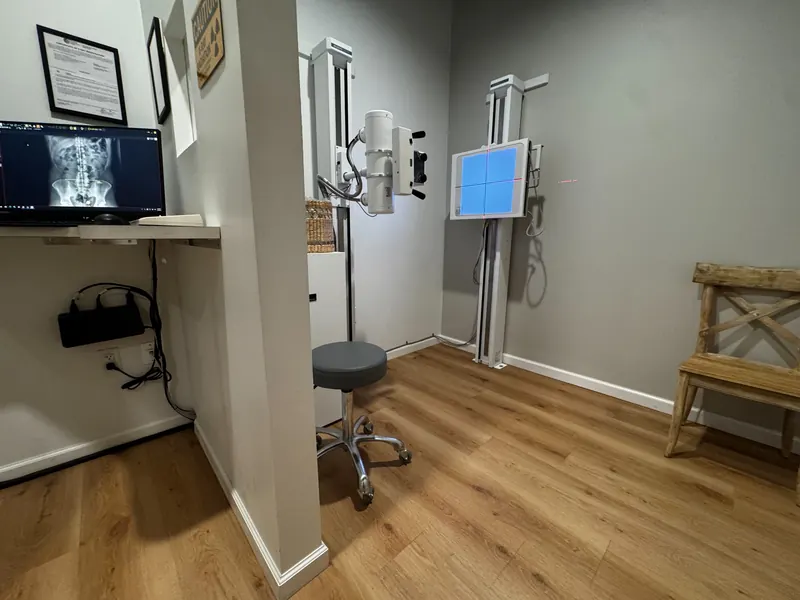
Imaging may help clarify alignment, disc spacing, degeneration, or structural stress when exam findings indicate it.
Why choose this clinic
Not every low back pain visit should feel like a quick adjustment and goodbye. Our clinic is built around a more complete, movement-focused experience.
Many patients come to us after trying temporary relief strategies that never fully addressed the recurring pattern.
We believe recurring low back pain deserves a more thoughtful evaluation than a rushed five-minute visit, which is why our movement-focused corrective care emphasizes structure, mobility, hips, pelvis, and recurring patterns.
We look for patterns behind recurring low back pain, not just short-term symptom relief.
Chiropractic care, movement guidance, imaging when appropriate, and supportive therapies when they fit your findings.
Designed to feel professional, warm, and approachable from evaluation through care planning.
Patients work with a clinic director experienced in evaluating recurring low back pain, stiffness, and movement-related patterns.
Patients leave understanding what may be contributing to their symptoms and what options may make sense.
Seek urgent medical care for severe trauma, new loss of bladder or bowel control, progressive leg weakness, fever with back pain, or other concerning neurological symptoms. This page is for non-emergency low back pain evaluation and treatment planning.
Low back pain can develop from muscle strain, joint dysfunction, disc irritation, degenerative changes, poor movement patterns, postural stress, previous injuries, and repetitive physical demands. Because multiple causes can produce similar symptoms, a thorough evaluation is often important before choosing a treatment plan.
Many people seek chiropractic care for low back pain because treatment focuses on improving spinal motion, reducing mechanical stress, and restoring function. The most appropriate care plan depends on the individual's symptoms, condition, and examination findings.
Not every patient needs X-rays. When clinically appropriate, digital X-rays can help evaluate spinal alignment, disc spacing, degenerative changes, and structural stress that may be contributing to recurring symptoms.
The best treatment depends on the underlying cause. Low back pain may involve muscle strain, joint dysfunction, disc irritation, spinal degeneration, postural stress, or other factors. A comprehensive evaluation helps determine which treatment options may be most appropriate.
Low back pain should be evaluated when it keeps returning, limits daily activities, affects work, interferes with sleep, or prevents you from exercising or doing things you enjoy.
Intermittent symptoms can still indicate an underlying mechanical issue. Many recurring low back problems begin as occasional discomfort before becoming more frequent over time.
Some patients with sciatica symptoms may benefit from chiropractic evaluation and care, depending on the underlying cause. If symptoms travel into the leg, the evaluation should consider possible disc involvement, nerve irritation, and mechanical stress.
New patients are welcome, and convenient appointment times are often available. Call the Austin Rosedale clinic or schedule online to see current availability.
The clinic team can review insurance and payment options with you before or during your first visit so you understand the next steps clearly.
The clinic emphasizes finding contributing factors before recommending care. Evaluations may include consultation, examination, movement assessment, digital X-rays when clinically appropriate, and a plan that may combine chiropractic care, corrective care, soft tissue work, stretch therapy, laser therapy, or decompression options. Therapeutic massage availability is temporarily limited.
Treatment options may include chiropractic adjustments, corrective care, Active Release Techniques, fascia stretch therapy, Class IV laser therapy, and HillDT spinal decompression when appropriate. Therapeutic massage availability is temporarily limited. Recommendations depend on evaluation findings.
When to get checked
If low back pain keeps returning, interrupts sitting or driving, affects workouts, travels into the hips or legs, makes you avoid activity, or repeatedly comes back after temporary relief, it may be worth evaluating the pattern contributing to it.
Local low back pain care in Central Austin
100% Chiropractic Austin Rosedale is located at 3800 N Lamar Blvd, Ste 160, Austin, TX 78756. Patients visit us for recurring low back pain, stiffness after sitting, pain with lifting, sciatica-like symptoms, and low back patterns that keep returning after temporary relief.
100% Chiropractic Austin Rosedale
3800 N Lamar Blvd, Ste 160
Austin, TX 78756
(512) 638-8544
Mon-Thu: 8:00am - 12:00pm; 1:30pm - 5:30pm
Fri: 8:00am - 12:00pm
The clinic sits between Local Foods and Westlake Dermatology facing Lamar Blvd and in the same building as Kendra Scott's HQ. We validate parking in the clinic. For garage GPS, use 3809 Medical Pkwy.
Get DirectionsRated 4.9/5.0 on Google
Some patients wait until symptoms keep returning before seeking a clearer evaluation and next steps.
Many patients are looking for a clearer explanation of why symptoms continue returning and what steps may support longer-term improvement.
Read current Google reviews
If low back pain keeps returning, it may be time to look more closely at the movement, structure, hip, pelvic, and daily stress patterns contributing to it.
Our Central Austin clinic helps patients understand why symptoms may be recurring before recommending chiropractic care, corrective care, or integrated treatment options.
Last updated June 13, 2026
MendAndFlow is a healthcare-provider directory and patient-education platform owned and operated by Quake Brands LLC.
This clinic profile and its related educational and online-scheduling pages feature 100% Chiropractic Austin Rosedale.
Clinical services are provided by 100 Chiro Corona LLC d/b/a 100% Chiropractic Austin Rosedale, an independently owned and operated 100% Chiropractic franchise.
Appointment requests made through these pages are for the Austin Rosedale clinic. MendAndFlow does not provide clinical care and is not the corporate 100% Chiropractic website.
100% Chiropractic Austin Rosedale Low Back Pain Evaluation
Book Evaluation
Low Back Pain Evaluation
Book Evaluation